

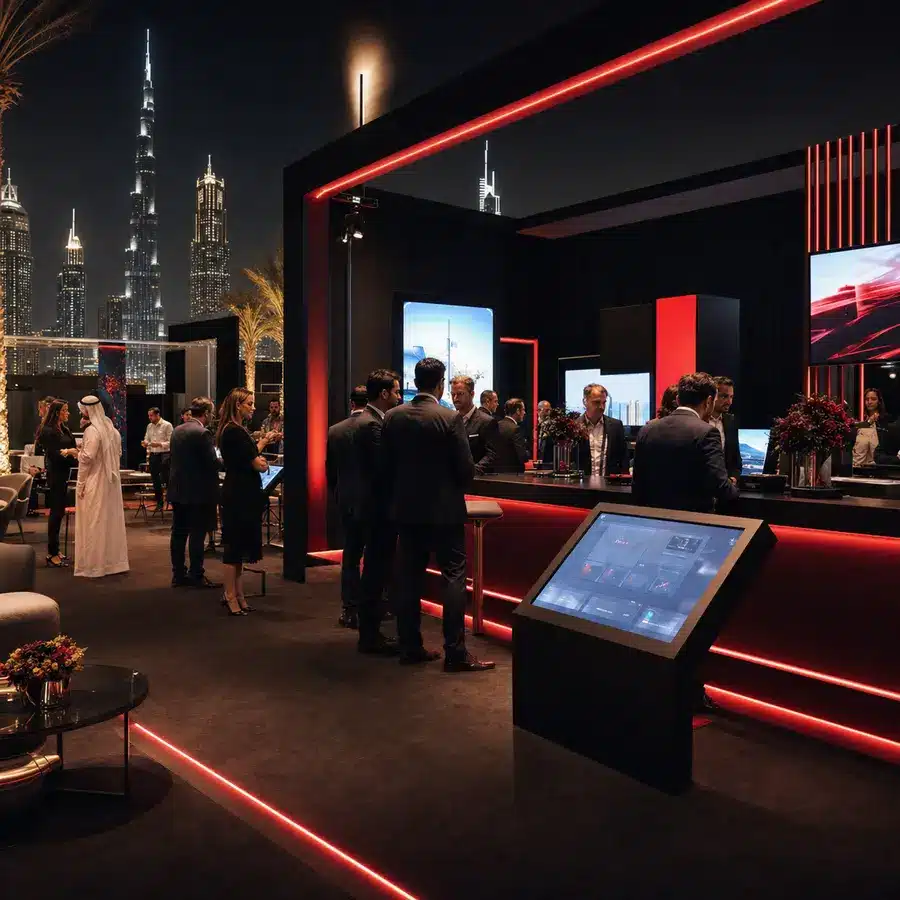

Dubai has one of the most competitive retail environments in the region. Customers can walk through shopping malls, supermarkets, pharmacies, electronics stores, beauty outlets, convenience stores, and luxury boutiques where hundreds of products compete for attention.
In such a busy environment, simply placing a product on a shelf is often not enough.
Retail point of sale displays in Dubai help businesses present products in a more noticeable, organized, and attractive way. These displays are placed at strategic locations inside retail stores to encourage customers to notice products, understand offers, and make buying decisions.
A carefully designed point of sale display can support brand visibility while improving the overall customer shopping experience.
This guide explains the main types of point of sale displays, how they work, their business benefits, suitable materials, design considerations, common mistakes, and practical ways Dubai businesses can use them effectively.
What Are Retail Point of Sale Displays?
A retail point of sale display is a promotional or product presentation unit placed inside a store where customers can easily see or interact with products.
Businesses commonly use these displays near checkout counters, aisles, entrances, product categories, promotional zones, or other areas with strong customer movement.
They are designed to attract attention at an important moment in the customer buying journey.
Point of sale displays can be simple countertop units or larger freestanding structures. Their design depends on the product, retail environment, campaign objective, available space, and brand identity.
POS Displays and Regular Store Shelving
Regular retail shelves mainly organize and store products.
POS displays have a more focused promotional role.
| Feature | Regular Retail Shelving | Point of Sale Display |
|---|---|---|
| Main purpose | Product organization | Product promotion and visibility |
| Placement | Permanent shelf areas | Strategic retail locations |
| Design | Usually standard | Customized around products and branding |
| Customer attention | Moderate | Strong visual focus |
| Campaign use | Limited | Suitable for promotions and launches |
| Branding opportunities | Basic | Strong branding potential |
| Flexibility | Usually fixed | Can be temporary or permanent |
A retail POS display therefore works as both a product holder and a visual merchandising tool.
Why POS Displays Matter in Dubai’s Retail Market
Dubai attracts local residents, international visitors, business professionals, and tourists from different markets. Retailers therefore serve customers with different preferences, shopping habits, and expectations.
Good store presentation plays an important role in making products easier to discover.
Strong Competition for Customer Attention
Modern retail stores often carry several competing brands within the same product category.
For example, a customer looking for skincare products may see many creams, serums, cleansers, and cosmetic brands in one area.
A distinctive POS display can separate one brand visually from surrounding products.
This improves product visibility, which can increase the chance that customers notice and explore the product.
Supports Fast Buying Decisions
Many retail purchases happen quickly.
Customers may not research every product before entering a store. They often make decisions based on packaging, placement, product information, brand familiarity, and promotional communication.
An effective retail display can communicate key product information without requiring customers to search for assistance.
Creates Stronger Brand Recognition
Consistent colors, typography, shapes, product arrangement, and messaging help customers recognize a brand.
Well designed displays contribute to in store branding by presenting the brand consistently across different retail locations.
For businesses selling products through several stores across Dubai, this consistency can be especially valuable.
Main Types of Retail Point of Sale Displays in Dubai
Different retail environments require different types of displays. Choosing the correct display depends on product size, store layout, campaign objective, available floor space, and customer behavior.
Countertop Displays
Countertop displays are compact units placed on checkout counters, reception desks, service counters, or product counters.
They work well for smaller products such as:
- Cosmetics
- Accessories
- Small electronics
- Personal care products
- Confectionery
- Travel products
- Small promotional items
Countertop displays are useful because they place products close to customers during the final stage of purchasing.
They can support impulse buying behavior when products are easy to understand and relevant to the customer.
Freestanding Display Units
Freestanding display units are independent structures placed on retail floors.
They can hold multiple products and usually provide more space for branding.
These units are suitable for product launches, seasonal promotions, featured collections, and dedicated brand sections.
Because retailers can position them in high traffic areas, they can create strong retail brand visibility.
Floor Standing Display Units
Floor standing displays are larger vertical displays designed to hold products while presenting marketing communication.
They are commonly used in supermarkets, pharmacies, electronics stores, beauty stores, department stores, and large retail outlets.
Businesses can use several shelves, hooks, compartments, or product trays depending on the products being displayed.
End Cap Displays
End cap displays are positioned at the end of retail aisles.
These locations naturally receive attention because customers often see them while moving between aisles.
Retailers frequently use end cap displays for new products, featured categories, campaigns, and special product collections.
Their strategic positioning supports shopper engagement without requiring customers to enter a specific aisle first.
Shelf Displays
Shelf displays work with existing retail shelving.
They may include branded product trays, shelf strips, header sections, product separators, or small display structures.
Shelf displays are useful when businesses want greater product visibility without installing a separate floor unit.
Dump Bins
Dump bins are open containers designed to hold products that customers can easily pick up.
They are suitable for lightweight packaged goods and products where customers do not need detailed guidance before purchasing.
Their open structure creates a convenient product accessibility experience.
Hanging Displays
Hanging displays are suspended from ceilings or retail structures.
Some are purely promotional while others may hold lightweight products.
They are particularly useful when floor and counter space is limited.
Hanging communication also helps brands use areas of the store that might otherwise remain unused.
Interactive POS Displays
Interactive displays provide customers with a more engaging retail experience.
Depending on the business, they may include digital screens, product demonstration areas, touch enabled interfaces, illuminated sections, or physical product testing zones.
These displays support interactive retail experiences and are commonly suitable for technology, cosmetics, automotive accessories, luxury products, and innovative consumer products.
Temporary and Permanent POS Displays
Another important decision involves choosing between temporary and permanent displays.
Both options have different advantages.
Temporary Displays
Temporary POS displays are suitable for short campaigns, launches, seasonal promotions, events, or limited retail activities.
They are usually designed for easy installation and removal.
Suitable situations include:
- Product launches
- Seasonal campaigns
- New collection introductions
- Retail events
- Short promotional campaigns
- Brand awareness activities
Temporary displays allow businesses to change their retail communication regularly.
Permanent Displays
Permanent displays are designed for longer use.
They usually require stronger materials and more durable construction.
Permanent POS displays may be appropriate for brands that maintain dedicated retail space or regularly display the same product range.
They can support stronger long term brand presence inside stores.
Comparison
| Factor | Temporary Display | Permanent Display |
|---|---|---|
| Usage period | Short term | Long term |
| Campaign flexibility | High | Moderate |
| Construction | Usually lighter | Usually stronger |
| Suitable for seasonal campaigns | Yes | Less common |
| Suitable for dedicated brand areas | Sometimes | Yes |
| Branding potential | High | High |
| Installation | Usually simple | May require more planning |
Businesses should select the format based on campaign duration rather than simply choosing the largest display.
Materials Used for Retail POS Displays
Material selection affects appearance, durability, usability, transportation, and overall presentation.
Dubai businesses should consider both the retail environment and expected display lifespan.
Cardboard and Corrugated Board
Cardboard based displays are commonly used for temporary retail campaigns.
They can support creative shapes, printed graphics, product shelves, and promotional messages.
They work particularly well when businesses need lightweight promotional displays that can be installed easily.
Acrylic
Acrylic provides a clean and modern appearance.
It is widely suitable for cosmetics, fragrances, accessories, electronics, healthcare products, and premium retail environments.
Transparent acrylic can create an attractive premium product presentation because it allows the product itself to remain visually dominant.
Metal
Metal provides strength and durability.
It can be suitable for heavier products or displays expected to remain in stores for longer periods.
Metal structures are often combined with printed panels, acrylic elements, lighting, or shelving.
Wood and MDF
Wood based materials can create a warm, premium, or natural appearance.
They are often suitable for lifestyle products, cosmetics, fashion accessories, food products, homeware, and premium brand displays.
Different finishes can help brands match their existing visual identity.
Mixed Materials
Many modern retail displays combine several materials.
For example, a display may use a metal structure with acrylic shelves, printed branding panels, and integrated lighting.
Combining materials can improve both durability and visual merchandising appeal.
Business Benefits of Retail Point of Sale Displays
POS displays offer more than product organization. When developed strategically, they can support several business objectives.
Increased Product Visibility
Products can easily disappear among competing items on crowded retail shelves.
A dedicated display gives products a stronger visual position.
Customers are more likely to notice a product when its presentation differs from surrounding shelves.
Improved Brand Awareness
Displaying brand colors, product information, visual elements, and communication consistently helps customers remember the brand.
This strengthens brand recognition at retail.
Better Product Communication
Packaging may have limited space for explaining product benefits.
A POS display gives businesses additional space to communicate important information such as:
- Product features
- Usage information
- Product categories
- Key benefits
- Collection details
- Brand values
- Launch messages
Simple communication helps customers understand products without creating visual clutter.
Supports New Product Launches
Launching a product into a crowded retail category can be difficult.
A dedicated display helps separate the new product from established competitors.
Businesses can create a focused product launch experience around the new item.
Encourages Impulse Purchases
Products placed near checkout counters or busy retail areas may encourage spontaneous purchases.
This works particularly well when customers can quickly understand the product and its purpose.
Improves Store Organization
POS displays can also make retail environments easier to navigate.
Products can be grouped by category, collection, use, or brand.
Better organization contributes to retail space optimization and helps customers find suitable products faster.
Supports Cross Selling
Displays can group related products together.
For example, a skincare display may feature cleanser, serum, moisturizer, and sunscreen within the same unit.
This can encourage customers to consider multiple related products instead of purchasing only one item.
Follow Brand Guidelines
Colors, typography, imagery, and materials should match the brand’s visual identity.
Consistency helps build brand identity consistency across retail locations.
Design for the Actual Store Environment
A display that looks impressive in a design presentation may not work inside the real store.
Consider:
- Available space
- Customer walking paths
- Shelf height
- Lighting conditions
- Viewing distance
- Nearby products
- Store regulations
- Product weight
- Accessibility
The final display should work naturally within the retail environment.
Make Products Easy to Reach
Customers should not struggle to remove or inspect products.
Shelves, hooks, trays, and compartments should provide convenient product access.
Easy interaction improves the in store customer experience.
Choosing the Right POS Display for Different Dubai Businesses
The correct display depends heavily on the retail category.
Beauty and Cosmetics
Beauty products often benefit from acrylic displays, countertop units, illuminated displays, product testers, and freestanding structures.
Clean presentation is important because customers often associate display quality with product quality.
Supermarkets and Grocery Stores
Supermarkets can use floor standing units, shelf displays, end cap displays, and dump bins.
Strong product visibility is important because customers move quickly through different categories.
Electronics Stores
Electronics displays should balance product security, information, accessibility, and technical presentation.
Interactive sections can help customers understand features more effectively.
Pharmacies
Pharmacy displays usually require clear organization and professional presentation.
Products should be grouped logically so customers can easily understand categories.
Fashion and Accessories
Fashion accessories can benefit from branded stands, countertop units, freestanding displays, hooks, and modular structures.
The display should complement the overall retail store aesthetics.
Luxury Retail
Luxury products generally require more refined materials, minimal communication, careful lighting, and strong attention to finishing.
In premium environments, display quality becomes part of the overall brand experience.
Expert Tips and Best Practices for Better POS Displays
Businesses can improve display performance by following a few practical principles.
Understand Customer Eye Level
Products placed within the customer’s natural viewing area usually receive more attention.
Place important products, brand messages, or featured items where customers can see them easily.
Avoid Visual Overload
A display does not need many graphics to attract attention.
Too many colors, products, headlines, or decorative elements can make the display confusing.
Simple layouts often create stronger visual hierarchy.
Use Lighting Carefully
Lighting can highlight important products and create a premium atmosphere.
However, excessive lighting can distract customers or affect product visibility.
The lighting should support the product rather than dominate the display.
Make Restocking Simple
Retail staff should be able to refill the display without complicated steps.
An attractive display that is difficult to maintain can quickly become disorganized.
Test Product Capacity
Displays should hold enough products without looking overcrowded.
Too few items may make the display appear empty, while too many products can reduce visual quality.
Consider Customer Movement
Study where customers naturally walk, pause, turn, or wait.
Good placement supports retail customer flow and allows the display to attract attention naturally.
Keep Branding Consistent Across Locations
If the same campaign appears in several Dubai stores, maintain consistent visual communication.
Small adjustments may be required for different store layouts, but the main brand identity should remain recognizable.
Common POS Display Mistakes Businesses Should Avoid
Even a professionally manufactured display can perform poorly if basic retail principles are ignored.
Adding Too Much Text
Customers rarely stop to read large amounts of copy inside busy stores.
Keep communication short and easy to understand.
Using the Wrong Display Size
A display that is too large can block customer movement.
A display that is too small may disappear within the retail environment.
Always evaluate actual placement before confirming dimensions.
Ignoring Product Weight
Shelves and structures must safely support the products they hold.
Material selection should match the product load and expected usage.
Poor Product Accessibility
Customers should be able to pick up products comfortably.
Difficult access can reduce customer interaction.
Inconsistent Branding
Different fonts, colors, graphics, or messaging can weaken brand recognition.
A consistent retail branding strategy creates a more professional appearance.
Blocking Important Product Information
The display structure should never hide product labels or essential packaging details.
Customers need to see the product clearly before making a decision.
Designing Without Considering Maintenance
Displays may lose their impact when shelves become empty, graphics become damaged, or products are placed incorrectly.
Businesses should plan for regular display maintenance and merchandising.
How Businesses Can Plan a Successful POS Display Campaign
Successful retail displays require planning before production and installation.
Step 1: Define the Campaign Goal
Decide what the display should achieve.
The objective should be specific and connected to a business need.
Step 2: Understand the Target Customer
Consider who will see the display.
Think about customer age groups, product interests, shopping behavior, language needs, and purchasing motivations.
Step 3: Choose the Display Location
Determine whether the display will appear near:
- Checkout counters
- Store entrances
- Main aisles
- Category shelves
- End caps
- Product testing areas
- Dedicated brand zones
Location can influence the required size and design.
Step 4: Choose the Right Display Type
Select a format that matches the available space, product range, campaign duration, and retail environment.
Do not choose a complex format simply because it appears more impressive.
Step 5: Develop Clear Visual Communication
Create a strong headline, visible branding, and simple product communication.
Use customer centered communication rather than filling the display with unnecessary promotional language.
Step 6: Create and Review a Prototype
Before larger production, review the display structure carefully.
Check:
- Dimensions
- Product placement
- Stability
- Brand colors
- Print quality
- Product accessibility
- Viewing angles
- Retail compatibility
Prototyping helps identify practical problems before final production.
Step 7: Monitor the Display After Installation
Retail displays should not be treated as finished once installed.
Businesses should regularly check whether products are properly arranged and whether the display remains clean and functional.
Customer interaction can also provide useful insights for future retail campaigns.
Conclusion
Retail point of sale displays in Dubai play an important role in helping brands compete for customer attention inside busy retail environments.
From countertop displays and shelf units to freestanding structures and interactive installations, businesses have many options depending on their products, campaign goals, and available retail space.
The most effective display is not necessarily the biggest or most complicated one. It is the display that clearly presents the product, reflects the brand identity, fits naturally within the store, and makes the buying experience easier for customers.
Businesses should focus on strategic product placement, retail merchandising, brand visibility, clear communication, practical construction, and customer accessibility.
With careful planning, a well designed POS display can become an important part of a stronger retail marketing strategy in Dubai.
Frequently Asked Questions
What is a retail point of sale display?
A retail point of sale display is a branded structure or promotional unit used inside stores to present products in noticeable locations. It can improve product visibility, communicate product information, and support customer purchasing decisions.
What types of POS displays are suitable for Dubai retail stores?
Common options include countertop displays, freestanding units, floor standing displays, shelf displays, end cap displays, hanging displays, dump bins, and interactive retail displays. The best option depends on product type, store layout, and campaign objectives.
Are POS displays useful for new product launches?
Yes. A dedicated display can give a new product stronger visibility and separate it from competing products. It also gives brands additional space to explain key product features and introduce the new product to customers.
Which materials are commonly used for retail POS displays?
Common materials include cardboard, corrugated board, acrylic, metal, wood, MDF, and combinations of several materials. Material selection depends on display duration, product weight, retail environment, and desired visual appearance.
How can businesses make POS displays more effective?
Businesses should keep product communication simple, maintain consistent branding, choose appropriate display locations, provide easy product access, use suitable materials, consider customer movement, and regularly maintain the display after installation.

Rosalina D. Willaim
Blogger/Photographerhe whimsically named Egg Canvas is the design director and photographer in New York. Why the nam

October 31, 2026

October 31, 2026
Print Finishing Techniques That Enhance Business Marketing Materials

October 31, 2026