
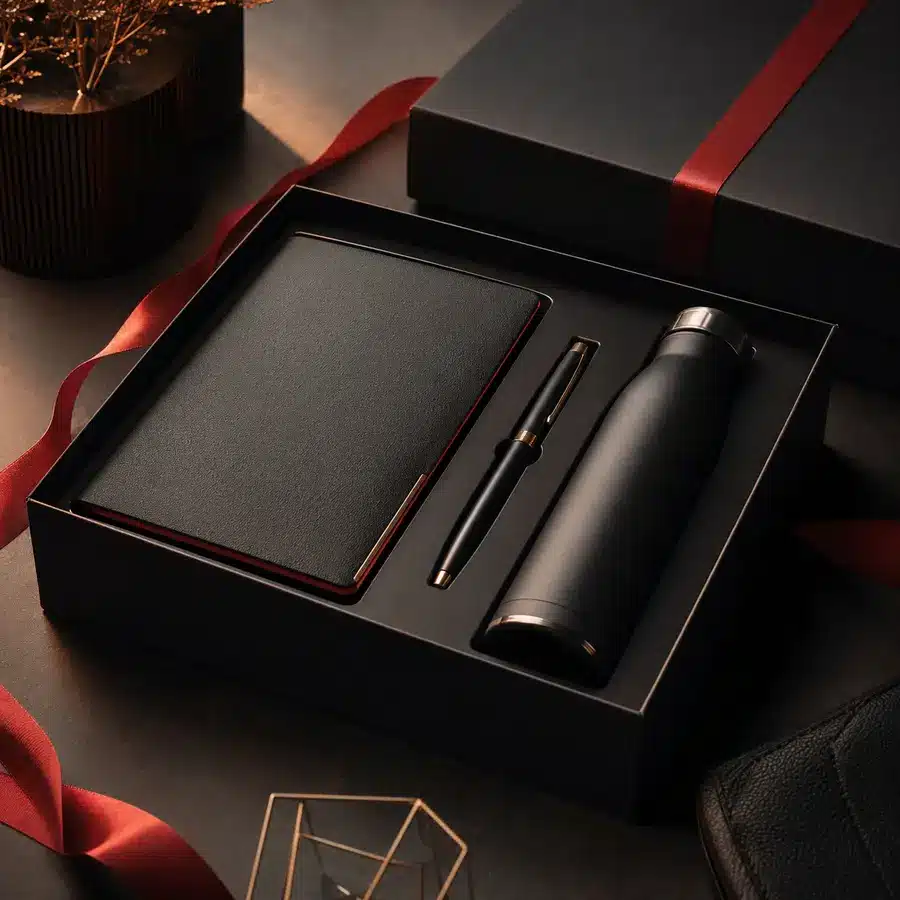
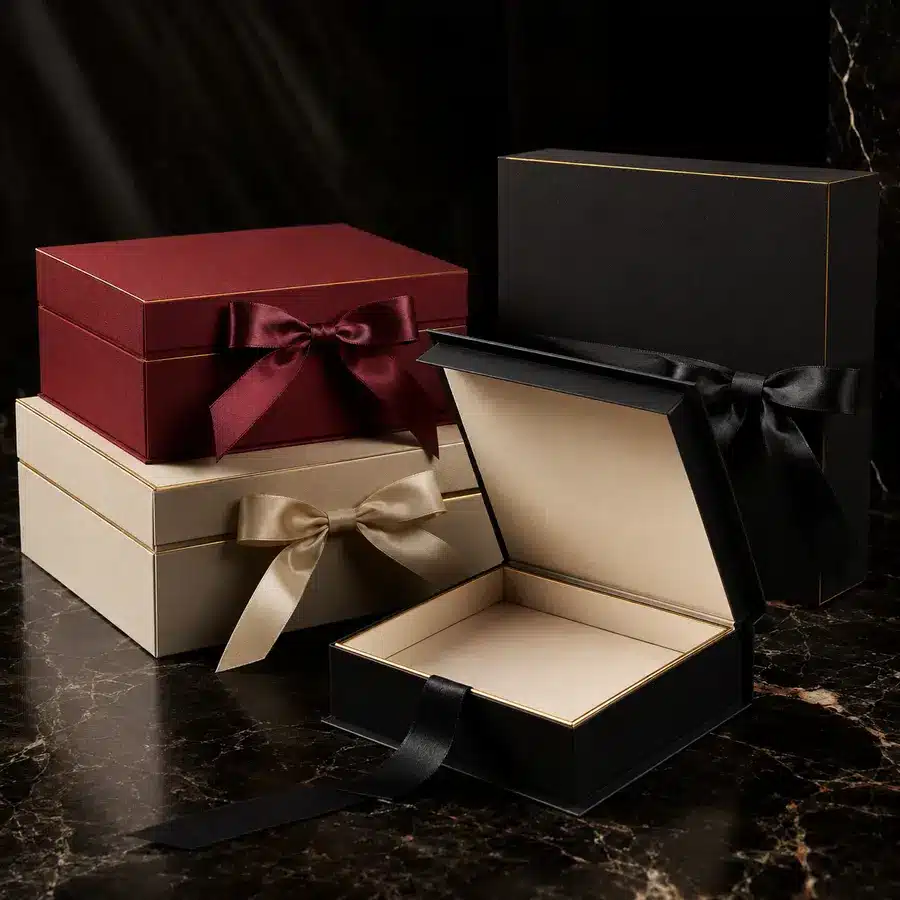
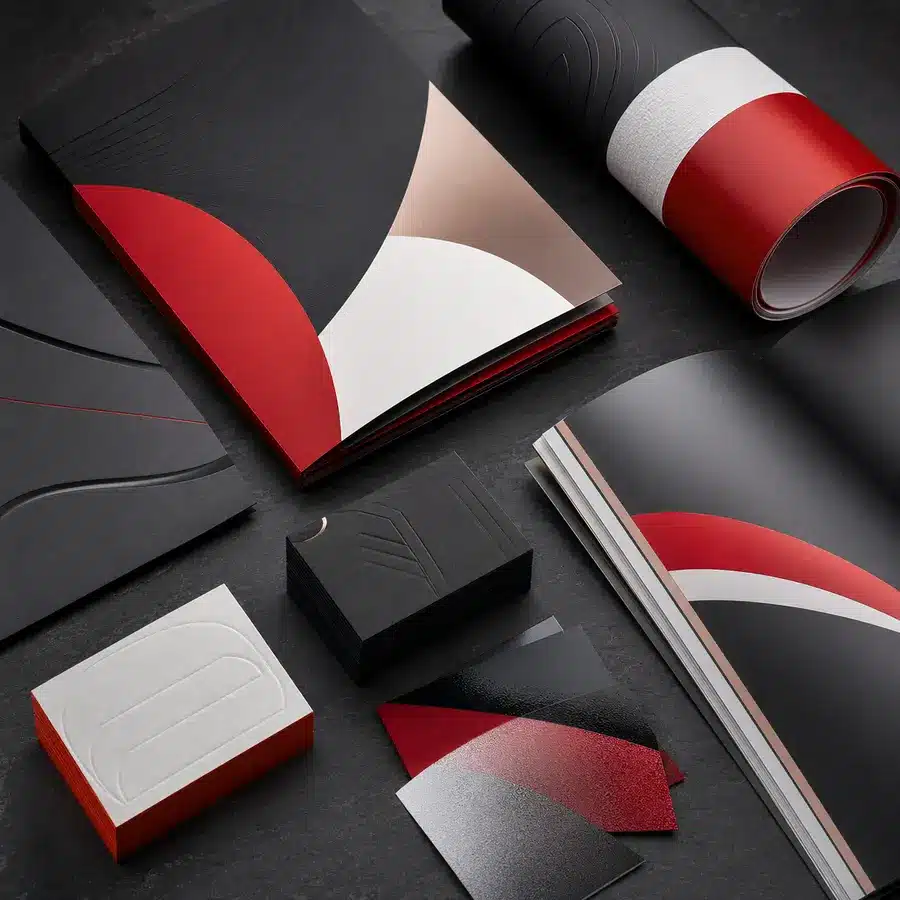


Print finishing plays an important role in how marketing materials look, feel, and perform.
A brochure with a smooth protective surface can feel more professional. A business card with raised details can create a stronger first impression. A presentation folder with selective shine can make important design elements stand out.
For businesses in Dubai, where competition is strong across retail, hospitality, real estate, events, luxury, corporate services, food, beauty, and many other industries, high quality printed materials can support a more polished brand image.
Print finishing techniques are applied after the main printing process. They improve appearance, durability, texture, structure, or visual impact.
This guide explains the most useful print finishing techniques for business marketing materials, where to use them, how they compare, common mistakes, practical design tips, and how to choose the right finish for different business needs.
What Is Print Finishing?
Print finishing refers to the processes applied to printed materials after printing is complete.
These processes can improve the surface, shape, texture, protection, or presentation of the final piece.
Common examples include:
- Lamination
- Spot UV
- Foil stamping
- Embossing
- Debossing
- Die cutting
- Varnishing
- Binding
- Folding
- Creasing
- Edge finishing
- Protective coating
Print finishing can turn a simple printed sheet into a more refined marketing tool.
Why Print Finishing Matters
Printing communicates information.
Finishing improves how that information is presented.
A strong finish can support brand perception, visual appeal, print durability, and customer engagement.
The correct finishing method can also help marketing materials feel more aligned with the quality of the business.
For example, a luxury property brochure may require a different finish from a takeaway menu or an event flyer.
Main Print Finishing Techniques Used for Business Materials
Different finishing methods create different effects.
Some improve durability. Others add texture, shine, structure, or decorative detail.
Lamination
Lamination adds a thin protective layer over printed material.
It can help protect surfaces from moisture, fingerprints, dirt, and general handling.
Common lamination styles include matte, gloss, and soft touch finishes.
Matte lamination creates a smooth, non reflective appearance.
Gloss lamination creates a brighter and more reflective surface.
Soft touch lamination creates a smooth, premium feel that supports premium print presentation.
Lamination is often suitable for:
- Business cards
- Menus
- Folders
- Brochures
- Product packaging
- Presentation materials
- Book covers
Spot UV
Spot UV adds a glossy coating to selected areas rather than covering the full printed surface.
For example, a brand may apply Spot UV to:
- A logo
- Product image
- Headline
- Pattern
- Icon
- Background element
The contrast between matte and glossy areas creates visual depth.
This makes Spot UV useful for high impact print design.
Foil Stamping
Foil stamping applies a metallic or decorative foil to selected areas of printed material.
It can highlight logos, names, borders, symbols, or important text.
Foil finishing can create a refined appearance when used carefully.
It is commonly used for:
- Invitations
- Business cards
- Certificates
- Luxury packaging
- Presentation folders
- Corporate stationery
- Premium brochures
Embossing
Embossing raises selected elements above the surface.
This creates a three dimensional effect that customers can both see and feel.
Embossing works well for logos, symbols, and short design elements.
It supports tactile branding and can make simple designs feel more distinctive.
Debossing
Debossing presses a design into the material instead of raising it.
The result is a recessed effect.
It is often used for understated branding where the business wants a clean and refined finish.
Die Cutting
Die cutting changes the physical shape of printed material.
It can create:
- Custom edges
- Windows
- Cut out logos
- Special shapes
- Product holders
- Unique folder designs
Die cutting is useful when standard rectangular formats do not support the creative concept.
It can make printed materials more memorable through custom print shapes.
Varnishing
Varnish adds a protective or decorative coating to printed material.
It can improve surface appearance and provide additional protection.
Varnish may be applied to the entire surface or selected areas depending on the desired effect.
Comparing Popular Print Finishing Techniques
Choosing a finishing method becomes easier when businesses understand what each technique is designed to achieve.
| Finishing Technique | Main Effect | Best For |
|---|---|---|
| Lamination | Protection and surface enhancement | Menus, cards, folders, brochures |
| Spot UV | Selective gloss | Logos, images, premium covers |
| Foil stamping | Decorative metallic detail | Invitations, packaging, premium stationery |
| Embossing | Raised texture | Logos and premium branding |
| Debossing | Recessed texture | Elegant corporate materials |
| Die cutting | Custom shape | Packaging, folders, promotional pieces |
| Varnish | Surface protection and appearance | Brochures, covers, cards |
| Binding | Organizes multiple pages | Catalogues, reports, manuals |
The right choice depends on the purpose of the material, how often it will be handled, and the image the business wants to communicate.
How Print Finishing Improves Marketing Materials
Print finishing is not only decorative.
It can support several practical marketing goals.
Creates a Stronger First Impression
People often judge printed materials quickly.
A carefully finished brochure or card can immediately feel more professional.
This supports brand credibility before the customer even reads the full content.
Improves Durability
Marketing materials may be handled repeatedly.
Menus, product catalogues, folders, and business cards can become damaged through regular use.
Protective finishes help reduce wear and support long lasting print materials.
Directs Attention
Selective finishes such as Spot UV, foil, or embossing can guide the eye toward important elements.
For example, highlighting the logo while keeping the rest of the design simple can create a strong focal point.
Adds Texture
People remember experiences that involve more than one sense.
Raised, recessed, textured, or soft surfaces create physical interaction with printed materials.
This supports a stronger sensory brand experience.
Supports Premium Positioning
Finishing can influence how customers perceive a brand.
Clean details, thoughtful materials, and refined surface treatments can help businesses communicate quality.
This is particularly relevant for luxury, hospitality, property, beauty, fashion, automotive, and corporate industries in Dubai.
Best Print Finishing Techniques for Different Marketing Materials
Not every finish suits every print product.
Choosing the correct combination helps maintain both quality and practicality.
Business Cards
Business cards need to look professional while remaining easy to handle.
Suitable options may include:
- Matte lamination
- Soft touch lamination
- Spot UV
- Foil stamping
- Embossing
- Debossing
- Rounded corners
A simple design with one strong finishing detail often creates better professional business** stationery** than using several effects at once.
Brochures
Brochures may benefit from:
- Matte or gloss lamination
- Varnish
- Spot UV
- Special folding
- Binding
The finish should support readability rather than making the brochure difficult to use.
Presentation Folders
Folders often represent the business during proposals, meetings, onboarding, or corporate presentations.
Useful finishing techniques include:
- Lamination
- Foil
- Embossing
- Spot UV
- Die cut pockets
- Custom shapes
A well finished folder can strengthen corporate brand presentation.
Product Packaging
Packaging can combine several finishing techniques.
Options may include:
- Foil details
- Embossed logos
- Die cut windows
- Matte lamination
- Selective gloss
- Protective coatings
The finish should support both the product and the overall packaging design.
Menus
Menus often require durability because they are handled regularly.
Protective finishes can help keep them presentable for longer.
The material and finish should also suit the restaurant, cafe, hotel, or hospitality environment.
Catalogues and Company Profiles
Longer printed documents may need both surface finishing and binding.
Finishing should improve appearance while keeping pages easy to open and read.
Advanced Finishing Techniques for Premium Branding
Businesses that want a more distinctive print result can combine finishing methods.
However, combinations should be planned carefully.
Soft Touch With Spot UV
A soft matte surface with selective glossy elements creates clear contrast.
This combination works well when businesses want understated elegance with focused visual highlights.
Foil With Embossing
Foil and embossing can be combined to create a raised metallic element.
This works particularly well for logos and premium branding.
Die Cutting With Printed Graphics
A custom cut can become part of the design rather than simply changing the shape.
For example, a die cut opening may reveal an image or color underneath.
This creates interactive print design.
Layered Finishing
Some marketing materials use different textures and surface effects across the same piece.
This should only be done when each finish has a clear visual purpose.
Too many effects can reduce rather than improve the design.
How to Choose the Right Print Finish for Your Business
The best print finish is not always the most decorative one.
The decision should begin with the purpose of the marketing material.
Consider the Brand Personality
Different brands require different visual approaches.
A luxury brand may prefer subtle textures and refined metallic details.
A creative brand may use custom die cutting or bold surface effects.
A corporate brand may prefer clean lamination with limited decorative finishing.
The finish should support brand identity consistency.
Think About Usage
Ask how the printed item will be used.
Will customers handle it frequently?
Will it stay on a desk?
Will it be distributed at an event?
Will it be stored for a long period?
Will it be exposed to moisture or repeated handling?
Usage should influence the finishing decision.
Consider the Design
Some finishes work better with simple layouts.
For example, embossing may have more impact when applied to a clean logo rather than a very detailed graphic.
The design and finishing process should be developed together.
Think About Viewing Conditions
Glossy surfaces can reflect light.
Matte surfaces reduce reflection.
This matters for printed materials used under strong lighting, at exhibitions, in retail environments, or inside hospitality spaces.
Keep the Audience in Mind
The finish should make sense for the customer.
A premium finish may support a luxury audience, while a simple durable finish may work better for high volume informational material.
Best Practices for Professional Print Finishing
Good finishing depends on preparation as much as production.
Keep Important Elements Away From Edges
Cutting, folding, binding, and finishing processes require safe areas.
Do not place critical text too close to trim lines.
Use High Quality Artwork
Logos and graphics should remain sharp at final print size.
Poor artwork becomes even more noticeable when enhanced with premium finishing.
Test Small Details
Very thin lines or small text may not work well with some finishing techniques.
Review the design before production.
Use Finishing With Purpose
Every finish should have a reason.
Ask whether it improves:
- Branding
- Durability
- Navigation
- Visual hierarchy
- Product presentation
- Customer experience
Purposeful finishing creates stronger marketing material design.
Consider Handling
Fingerprints may be more visible on some surfaces.
Texture, gloss level, and coating should match the way customers will handle the item.
Review a Physical Sample
Digital previews cannot fully show texture, shine, thickness, or tactile effects.
A physical sample can provide a more accurate understanding of the final result.
Common Print Finishing Mistakes to Avoid
Finishing can improve a design, but poor planning can create unnecessary problems.
Using Too Many Finishes
Combining foil, gloss, embossing, patterns, special shapes, and heavy decoration in one design can make the material feel crowded.
Use fewer techniques with stronger purpose.
Ignoring Readability
Decorative finishing should never make text difficult to read.
Marketing materials must still communicate clearly.
Choosing Finish Before Design
The design should influence the finishing method.
Selecting a finish first and forcing the design around it may produce weaker results.
Applying Special Effects to Small Details
Tiny details may not reproduce effectively with certain processes.
Use finishing on elements that can remain clear.
Ignoring Folding Areas
Finishing around folds and creases needs careful planning.
Design elements should not be positioned where folding may reduce their appearance.
Using the Same Finish for Every Material
A finish suitable for a premium invitation may not suit a frequently handled restaurant menu.
Different materials require different approaches.
Practical Example of a Print Finishing Strategy
Consider a Dubai based company preparing several marketing materials for an important corporate event.
The business needs business cards, presentation folders, brochures, and a company profile.
A practical finishing strategy could work like this:
Business Cards
Use a smooth matte surface with selective emphasis on the logo.
This keeps the card professional while adding a memorable detail.
Presentation Folders
Use durable lamination with a subtle branded finish on the front.
The folder needs to remain clean through repeated handling.
Brochures
Use a clean protective finish that keeps photography and text readable.
Avoid excessive decoration so customers can focus on the content.
Company Profile
Use professional binding with a carefully finished cover.
This creates a more complete corporate communication package.
The key is consistency.
Each item can use a different technique while still maintaining the same visual identity.
Conclusion
Print finishing techniques can significantly improve the quality, appearance, durability, and impact of business marketing materials.
From lamination and Spot UV to foil stamping, embossing, debossing, die cutting, varnishing, and professional binding, each technique serves a different purpose.
Businesses in Dubai should choose finishing based on brand positioning, material usage, customer expectations, design style, and practical requirements.
The most effective result comes from balance.
Finishing should enhance the printed material without overwhelming the message.
When design, printing, material choice, and finishing work together, businesses can create professional marketing materials, premium print products, strong brand presentation, and more memorable customer experiences.
Frequently Asked Questions
What are print finishing techniques?
Print finishing techniques are processes applied after printing to improve the appearance, texture, shape, durability, or presentation of printed materials. Common methods include lamination, Spot UV, foil stamping, embossing, debossing, die cutting, varnishing, and binding.
Which print finishing technique is best for business cards?
The best option depends on the desired brand image. Matte lamination, soft touch finishing, Spot UV, embossing, debossing, and foil stamping can all work well when used with a clean design.
How does print finishing improve marketing materials?
Print finishing can improve durability, visual appeal, texture, brand recognition, and customer perception. It can also help important design elements stand out.
What is the difference between embossing and debossing?
Embossing raises a selected design element above the surface, while debossing presses the element into the material. Both techniques create a tactile effect.
How should Dubai businesses choose a print finishing method?
Businesses should consider brand identity, material purpose, handling frequency, design complexity, viewing conditions, audience expectations, and the level of durability required before selecting a finishing technique.

Rosalina D. Willaim
Blogger/Photographerhe whimsically named Egg Canvas is the design director and photographer in New York. Why the nam

October 31, 2026

October 31, 2026
Print Finishing Techniques That Enhance Business Marketing Materials

October 31, 2026