

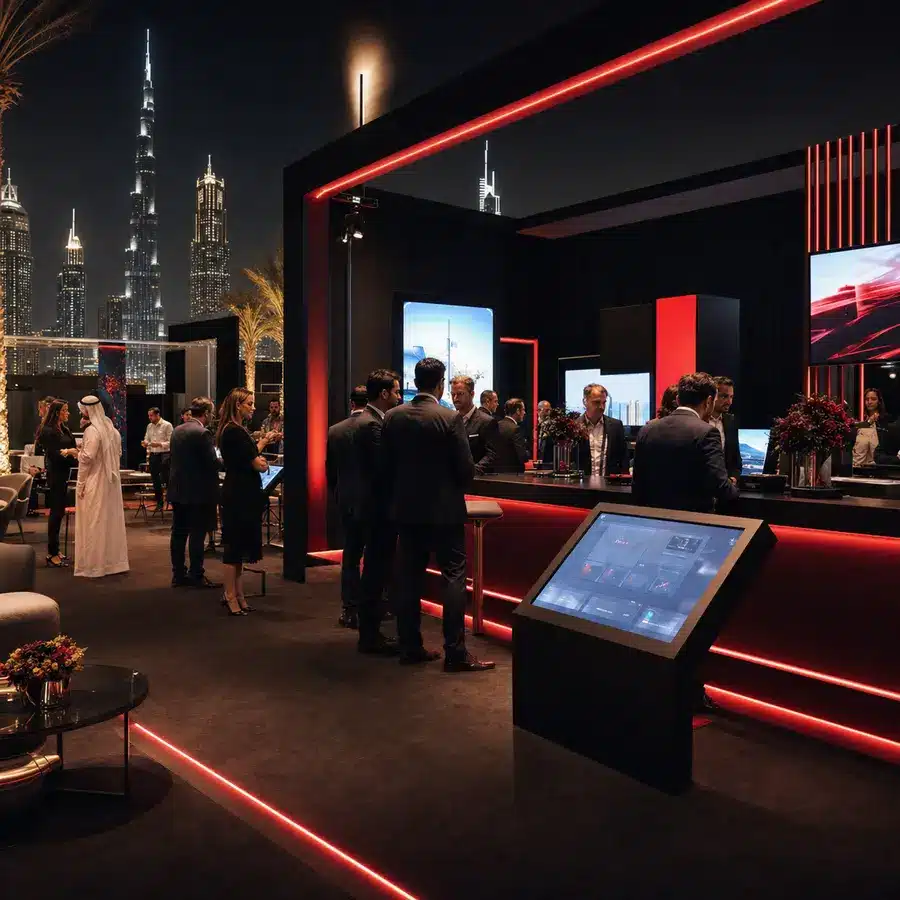

Managing branding across several business locations can become complex very quickly.
A company may have branches in Dubai, Abu Dhabi, Sharjah, Ajman, Ras Al Khaimah, Fujairah, or other parts of the UAE. Each location may have different layouts, building conditions, signage requirements, installation timings, and operational needs.
At the same time, the brand must still look consistent everywhere.
This is where strong project planning becomes essential.
Multi location branding projects involve more than printing the same design several times. They require site surveys, material planning, brand control, production coordination, logistics, installation management, quality checks, and clear communication between different teams.
This guide explains how businesses can manage multi location branding projects across the UAE with better consistency, control, efficiency, and long term brand value.
What Is a Multi Location Branding Project?
A multi location branding project involves applying the same brand identity across several physical locations.
These locations may include:
- Retail stores
- Corporate offices
- Clinics
- Restaurants
- Showrooms
- Warehouses
- Branches
- Exhibition spaces
- Service centers
- Hospitality venues
- Educational facilities
The branding work may include storefront signage, wall graphics, window branding, reception signs, directional signs, display graphics, vehicle branding, promotional materials, and internal visual communication.
The main challenge is maintaining brand consistency while adapting to different physical environments.
Why Multi Location Projects Are More Complex
A single location project usually has one site, one installation schedule, and one approval process.
A multi location project may involve several teams working at the same time.
| Project Area | Single Location | Multiple Locations |
|---|---|---|
| Site surveys | One site | Several different sites |
| Measurements | Limited | Multiple sets |
| Approvals | Usually simple | Can involve many stakeholders |
| Production | Smaller scope | Larger coordinated production |
| Logistics | Simple | Requires route planning |
| Installation | One schedule | Several installation schedules |
| Quality control | Easier | Requires standard checks |
| Brand consistency | Easier to manage | Needs stronger control |
A successful rollout depends on project coordination from the beginning.
Why Brand Consistency Matters Across UAE Locations
Customers expect the same brand experience wherever they interact with a business.
If one branch uses different colors, signage styles, logo sizes, or materials, the brand can feel disorganized.
Builds Stronger Brand Recognition
Consistent signage, colors, typography, and visual language help people recognize the business faster.
This is especially important for brands operating across several Emirates.
Repeated exposure supports visual brand recognition and strengthens familiarity.
Creates a Professional Business Image
Consistency communicates control.
When every branch follows the same visual standards, customers are more likely to see the company as organized and professional.
Supports Customer Trust
Customers often expect the same experience across different branches.
Visual consistency helps reinforce that connection before they even enter the location.
Makes Future Expansion Easier
A documented branding system makes it easier to open new branches.
Instead of starting from zero, the company can follow established brand implementation standards.
Start With a Clear Brand Rollout Plan
Before production begins, the project should have a clear structure.
A good rollout plan reduces confusion later.
Define the Full Scope
Create a list of every location involved.
For each site, identify the required branding elements.
For example:
- Exterior signage
- Reception branding
- Window graphics
- Wall graphics
- Directional signs
- Storefront displays
- Menu boards
- Information signs
- Vehicle graphics
- Promotional panels
This creates a complete branding scope of work.
Separate Standard and Custom Elements
Some branding elements can remain exactly the same across every location.
Others may need adjustment.
For example, the logo style should remain consistent, while sign dimensions may change depending on the available wall space.
This distinction helps production teams work more efficiently.
Create a Project Schedule
The schedule should cover:
- Site surveys
- Design adaptation
- Approvals
- Production
- Delivery
- Installation
- Final inspection
A realistic timeline helps different teams work in the correct order.
Conduct Detailed Site Surveys for Every Location
Site surveys are one of the most important parts of multi location branding.
Never assume that two branches have identical conditions.
Record Accurate Measurements
Measurements should include:
- Wall dimensions
- Window sizes
- Signage areas
- Ceiling heights
- Entrance widths
- Available mounting areas
- Distance from electrical points
- Access conditions
Accurate measurements reduce production errors.
Check Site Conditions
The survey should also record:
- Surface material
- Lighting conditions
- Indoor or outdoor exposure
- Existing signage
- Access restrictions
- Installation height
- Power availability
- Customer movement
- Parking or loading access
These details influence signage installation planning.
Use Standard Survey Documentation
Every site should be measured and recorded using the same format.
A standard site survey sheet makes it easier to compare locations and reduces missing information.
Build a Strong Brand Guideline System
Brand guidelines become even more important when several locations are involved.
Different teams may handle design, printing, fabrication, delivery, and installation.
They all need to follow the same rules.
Define Logo Usage
Specify:
- Approved logo versions
- Minimum clear space
- Logo proportions
- Background use
- Placement rules
Do not allow teams to resize or modify logos independently.
Control Brand Colors
Brand colors should remain consistent across printed and fabricated materials.
Color appearance can change depending on:
- Material
- Lighting
- Printing method
- Surface finish
- Production process
A clear color management process helps reduce visible differences.
Standardize Typography
Use the same approved fonts for major brand communication.
This includes:
- Directional signage
- Storefront graphics
- Wall messages
- Product categories
- Informational signs
- Promotional displays
Typography consistency supports a more unified environment.
Create Installation Standards
Guidelines should also explain how branding elements should be installed.
For example:
- Sign height
- Logo alignment
- Spacing
- Margin requirements
- Window graphic placement
- Directional sign positions
These details prevent each location from looking slightly different.
Coordinate Design and Artwork Across All Locations
Artwork management can become difficult when dozens of sizes and locations are involved.
A clear system is essential.
Use Master Artwork Files
Create master designs for each branding element.
Then adapt those master files for individual locations.
This helps protect the overall visual identity system.
Use Clear File Naming
File names should include important project details.
For example:
- Location name
- Branding element
- Version number
- Approval status
- Size reference
A structured file system reduces the risk of producing the wrong artwork.
Track Revisions Carefully
Multiple stakeholders can create repeated design changes.
Use one controlled approval process.
Avoid sending different versions through several separate communication channels.
Approve Final Artwork Before Production
Every location should have clearly approved files before production begins.
This reduces rework and prevents incorrect branding from reaching the site.
Plan Materials and Production Strategically
Material selection should be consistent where possible.
However, environmental conditions may require some variation.
Match Materials With Location Conditions
Indoor materials may not suit outdoor exposure.
Likewise, temporary graphics may not be suitable for permanent applications.
Material selection should consider:
- Heat exposure
- Sunlight
- Humidity
- Surface type
- Installation location
- Expected lifespan
- Cleaning requirements
This supports better material performance.
Standardize Materials Where Possible
Using the same materials across locations improves consistency.
It also makes future repairs and replacements easier.
Use Production Samples
Before full production, review material and color samples.
Check:
- Logo color
- Surface finish
- Print quality
- Material thickness
- Lighting appearance
A small approved sample can prevent larger inconsistencies later.
Manage Logistics Across Different Emirates
Multi location branding requires careful delivery planning.
Production may happen in one location while installation teams travel across several Emirates.
Group Deliveries by Location
Each site should receive only the items intended for that branch.
Clear packaging labels help prevent mix ups.
Packages should identify:
- Location
- Item type
- Quantity
- Installation area
- Artwork reference
This supports better branding logistics management.
Plan Delivery Routes
Locations should be grouped based on geography and installation schedule.
Efficient route planning reduces unnecessary movement between sites.
Protect Branding Materials During Transport
Printed graphics, signs, panels, and fabricated elements should be packed carefully.
Damage during transport can delay the entire schedule.
Coordinate With Site Teams
Each location should know:
- Delivery timing
- Installation timing
- Access requirements
- Expected work duration
- Areas that need to remain clear
Good communication prevents installation teams from arriving at unprepared sites.
Standardize Installation and Quality Control
Installation quality has a direct effect on brand presentation.
Even perfect production can look poor when installed incorrectly.
Use Installation Checklists
Every team should follow the same checklist.
The checklist may include:
- Correct sign position
- Proper alignment
- Secure fixing
- Clean surfaces
- Correct graphic orientation
- No visible bubbles
- No scratches
- No damaged edges
- Correct lighting
- Clear visibility
This supports installation quality assurance.
Use Reference Photos
Provide installation teams with approved reference images or layout drawings.
This helps them understand the intended result.
Inspect Every Location
Do not assume that installation is complete simply because the work has been installed.
Each location should receive a final inspection.
Record Completion Photos
Take clear photographs of completed work.
These photos help confirm:
- Correct branding
- Correct positioning
- Installation condition
- Final appearance
They also create useful records for future maintenance.
Best Practices for Multi Location Branding Projects
Large branding projects become easier when businesses follow a consistent management system.
Assign One Main Project Lead
One person or team should control communication, timelines, approvals, and updates.
Too many separate decision makers can create confusion.
Create a Central Project Tracker
Track every location in one place.
Useful information may include:
- Site survey status
- Artwork status
- Approval status
- Production status
- Delivery status
- Installation status
- Quality check status
A central tracker improves project visibility.
Hold Regular Progress Reviews
Review the project at key stages.
Do not wait until the final installation to discover problems.
Build Extra Checking Stages
Before production, confirm:
- Measurements
- Artwork
- Material
- Quantity
- Location
- Finishing
Before installation, confirm the same details again.
Keep Documentation Consistent
Use the same formats for surveys, approvals, checklists, and reports.
Standard documentation reduces mistakes.
Common Mistakes in Multi Location Branding Projects
Large projects usually fail because of coordination problems rather than design quality alone.
Assuming Every Site Is the Same
Locations may have completely different wall sizes, access conditions, or building rules.
Always survey each site individually.
Producing Before Final Approval
Early production can create expensive rework when designs change.
Production should only begin after final approval.
Weak Version Control
Using outdated artwork can create visible differences between locations.
Maintain one approved file system.
Poor Communication Between Teams
Designers, production staff, delivery teams, and installers must all work from the same information.
Ignoring Local Site Restrictions
Some locations may have restrictions related to:
- Access hours
- Building management
- Loading areas
- Installation methods
- Noise
- Electrical work
Ignoring these details can cause delays.
Using Different Materials Without Control
Changing materials between locations may create visible differences in color or finish.
Any material change should be reviewed before production.
Skipping Final Inspection
Small installation problems can remain visible for years.
Always complete a final quality check.
Practical Example of a UAE Brand Rollout
Imagine a retail brand expanding across Dubai, Abu Dhabi, Sharjah, and Ras Al Khaimah.
The business wants every branch to have the same visual identity.
Phase 1: Site Review
Each location is surveyed separately.
Measurements, surfaces, lighting, access conditions, and installation areas are documented.
Phase 2: Design Adaptation
One master branding concept is created.
Artwork is then adapted to each location without changing the core visual identity.
Phase 3: Approval
Each location receives its own artwork package for approval.
Final dimensions and materials are confirmed.
Phase 4: Production
Standard materials and color references are used across all locations.
Items are labeled according to branch.
Phase 5: Logistics
Deliveries are planned based on location and installation schedule.
Each package is checked before dispatch.
Phase 6: Installation
Teams follow the same installation guidelines.
Reference drawings help maintain alignment and consistency.
Phase 7: Final Audit
Completion photographs and checklists are reviewed for every branch.
Any issue is corrected before the project is officially completed.
This structured approach supports multi site brand consistency.
Conclusion
Managing multi location branding projects across the UAE requires more than strong design.
Businesses need careful planning, accurate site surveys, clear brand guidelines, controlled artwork, consistent materials, organized logistics, professional installation, and detailed quality checks.
The biggest challenge is maintaining consistency while adapting branding to different physical spaces.
A successful rollout should make every branch feel like part of the same brand, even when the locations are very different.
By using structured workflows, centralized project management, standard documentation, and clear quality standards, businesses can achieve consistent brand implementation, multi location project control, professional signage management, and a stronger customer experience across the UAE.
Frequently Asked Questions
What is a multi location branding project?
A multi location branding project involves applying the same brand identity across several physical business locations. It may include signage, window graphics, wall branding, directional signs, displays, and other branded elements.
How can businesses maintain brand consistency across UAE branches?
Businesses should use clear brand guidelines, approved master artwork, standard materials, controlled color references, installation standards, and consistent quality checks across every location.
Why are site surveys important for multi location branding?
Site surveys provide accurate measurements and information about surfaces, access, lighting, installation areas, and other physical conditions. This helps prevent production and installation errors.
What is the best way to manage branding across several Emirates?
Use one central project plan, one approval process, clear location based documentation, coordinated production, organized logistics, standard installation procedures, and final quality inspections for every site.
What are the most common mistakes in multi location branding projects?
Common mistakes include skipping site surveys, using outdated artwork, producing before approval, changing materials without control, poor communication, weak installation standards, and failing to inspect completed locations.

Rosalina D. Willaim
Blogger/Photographerhe whimsically named Egg Canvas is the design director and photographer in New York. Why the nam

October 31, 2026

October 31, 2026
Print Finishing Techniques That Enhance Business Marketing Materials

October 31, 2026