

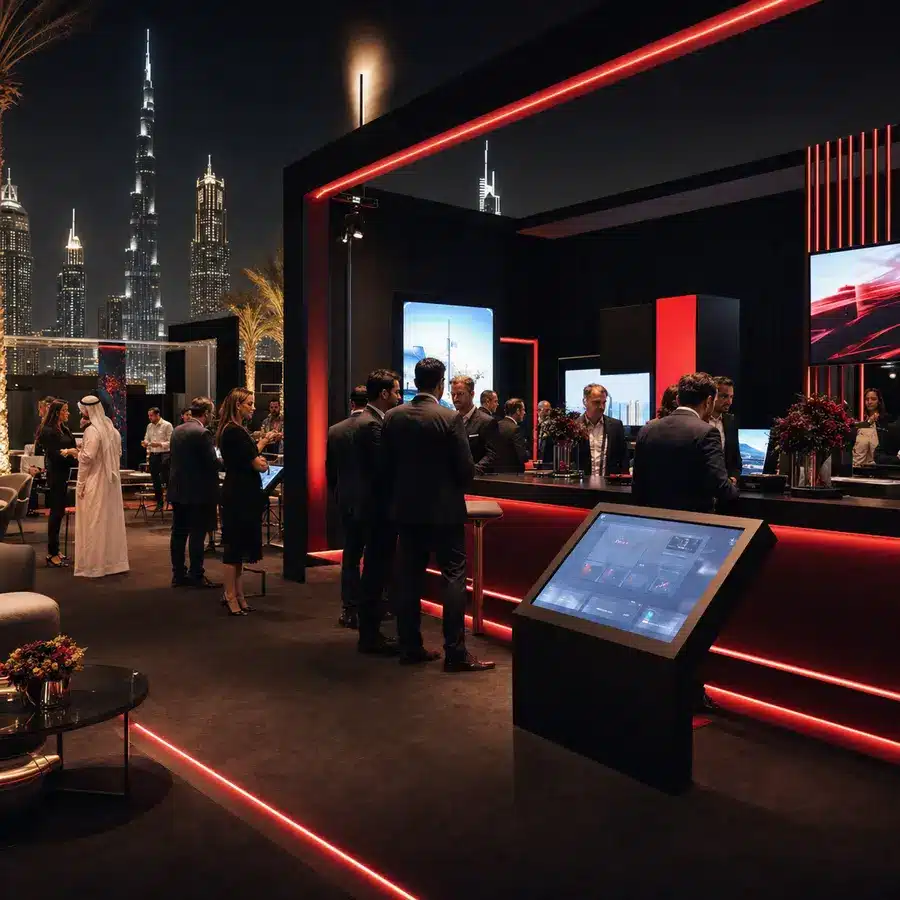

A brand activation campaign gives people a reason to interact directly with a business. Instead of simply seeing an advertisement, they experience the brand through an activity, event, demonstration, promotion, or memorable encounter.
Dubai is an excellent environment for this type of marketing. The city brings together local consumers, international visitors, professionals, shoppers, investors, and businesses from many industries. This creates opportunities for brands to build attention through experiences that feel relevant and engaging.
However, a successful campaign requires more than an attractive event. You need a clear objective, suitable audience, creative concept, careful planning, trained staff, appropriate locations, and measurable results.
This guide explains how to create an effective brand activation campaign in Dubai, from the initial idea to performance measurement.
Understand What Brand Activation Means
Brand activation is a marketing approach that encourages people to actively engage with a brand.
The interaction could happen through an event, product trial, competition, retail experience, pop up installation, demonstration, or digital activity.
Brand Activation Compared With Traditional Advertising
Traditional advertising mainly communicates a message to an audience.
Brand activation encourages the audience to participate.
| Traditional Advertising | Brand Activation |
|---|---|
| Primarily delivers a message | Encourages participation |
| Often passive | Usually interactive |
| Focuses on exposure | Focuses on experience |
| Can reach a broad audience | Can create deeper interaction |
| Measurement often focuses on impressions | Can measure participation and responses |
For example, a beverage company could place advertisements around Dubai promoting a new drink.
An activation could allow people at a selected venue to taste the product, participate in a short activity, receive a personalized item, and share their experience online.
The second approach creates a direct relationship between the audience and the product.
Define Your Campaign Objective
Every activation should begin with a clear business purpose.
Without a defined objective, it becomes difficult to decide what activities to include or determine whether the campaign succeeded.
Common Brand Activation Goals
| Goal | Useful Measurement |
|---|---|
| Introduce a new product | Product interactions |
| Increase awareness | Reach and mentions |
| Generate potential customers | Qualified contacts |
| Encourage product trials | Samples distributed |
| Increase sales | Purchases attributed to campaign |
| Build community | Participation and repeat engagement |
| Increase online attention | Content shares and website visits |
Try to choose one primary objective and a few supporting objectives.
For example:
Primary objective: Generate potential customers.
Supporting objectives: Increase product awareness and encourage social interaction.
This gives the campaign a clear direction.
Make the Goal Measurable
Avoid vague objectives such as:
Make more people know about our brand.
A more useful target could be:
Generate 500 qualified contacts during the campaign.
A measurable goal makes planning much easier.
Research the Dubai Audience
Dubai has a highly diverse population, so audience research deserves particular attention.
People can differ significantly in language, lifestyle, spending habits, cultural expectations, and purchasing motivations.
Identify Your Ideal Audience
Before developing the concept, determine:
- Age group
- Location
- Occupation
- Interests
- Purchasing behaviour
- Income range
- Cultural background
- Preferred communication channels
- Product needs
A campaign targeting business executives should not use the same approach as one aimed at university students.
Select Locations Based on Audience Behaviour
The location can influence campaign performance considerably.
Possible environments include:
- Shopping centres
- Business districts
- Hotels
- Exhibition venues
- Universities
- Fitness facilities
- Outdoor public areas
- Corporate offices
- Entertainment destinations
The right place is not necessarily the busiest place.
Your audience needs to be present there and have a reason to engage.
Develop a Strong Activation Concept
The central idea gives the campaign its personality.
A good concept should be easy to understand and closely connected with the brand.
Start With the Customer Experience
Ask yourself:
What should a person feel, discover, or remember after interacting with this campaign?
For example, a skincare company could create a short consultation experience where visitors receive a personalized product recommendation.
A technology company could allow visitors to test a new device through a practical challenge.
A food company could create a tasting experience around a new product range.
The activity should demonstrate something meaningful about the brand.
Make the Concept Relevant
A creative idea is useful only when it supports your marketing purpose.
| Campaign Type | Possible Experience |
|---|---|
| Product launch | Live product demonstration |
| Beauty campaign | Personalized consultation |
| Food promotion | Tasting activity |
| Technology launch | Interactive product test |
| Automotive campaign | Vehicle experience |
| Fitness promotion | Short activity session |
| Financial service | Educational consultation |
This creates experiential marketing that connects the product with an actual customer interaction.
Design an Experience People Want to Join
Getting people to stop is only the beginning.
Your activation should make participation simple and enjoyable.
Keep the Entry Process Simple
Visitors should quickly understand:
- What is happening?
- How can they participate?
- How long will it take?
- What will they receive or experience?
Complicated instructions can reduce participation.
If an activity requires registration, keep the process short and explain why information is being collected.
Give People a Reason to Participate
Possible incentives include:
- Product samples
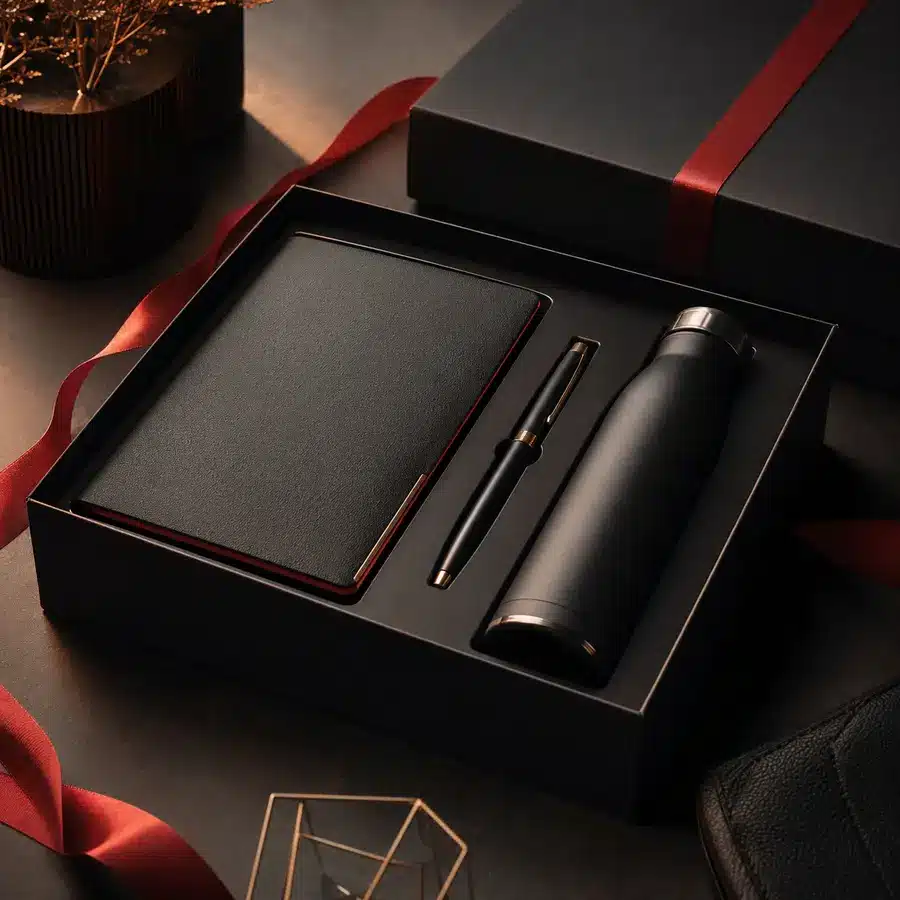
- Useful gifts
- Exclusive discounts
- Personalized items
- Access to a special experience
- Competition entries
- Educational sessions
- Early product access
The incentive should support the campaign rather than become its entire attraction.
Create a Memorable Moment
A successful customer engagement campaign gives people something worth remembering.
This could be:
- A personalized experience
- A surprising product demonstration
- An unusual installation
- A creative photo opportunity
- A useful consultation
- A short challenge
- An exclusive preview
The experience should feel connected to the brand rather than like a random entertainment activity.
Build the Campaign Around Strong Brand Communication
People should understand who is behind the experience.
Make the Brand Visible Without Overdoing It
Your identity can appear through:
- Logo placement
- Brand colours
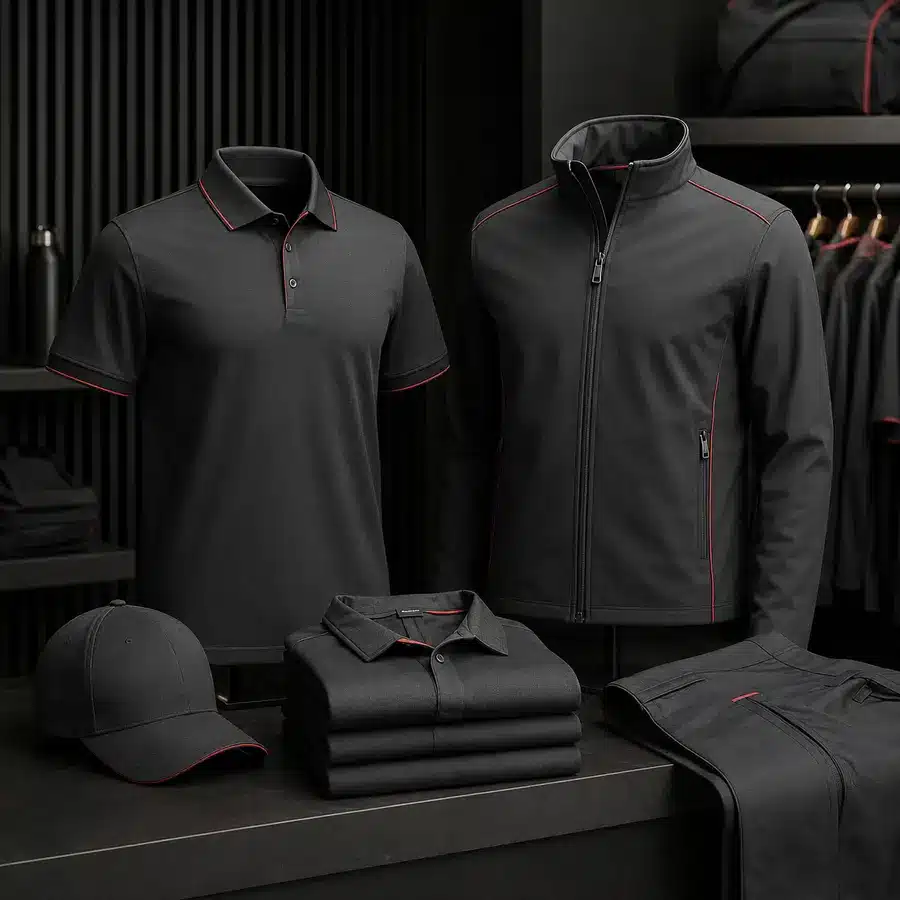
- Staff clothing
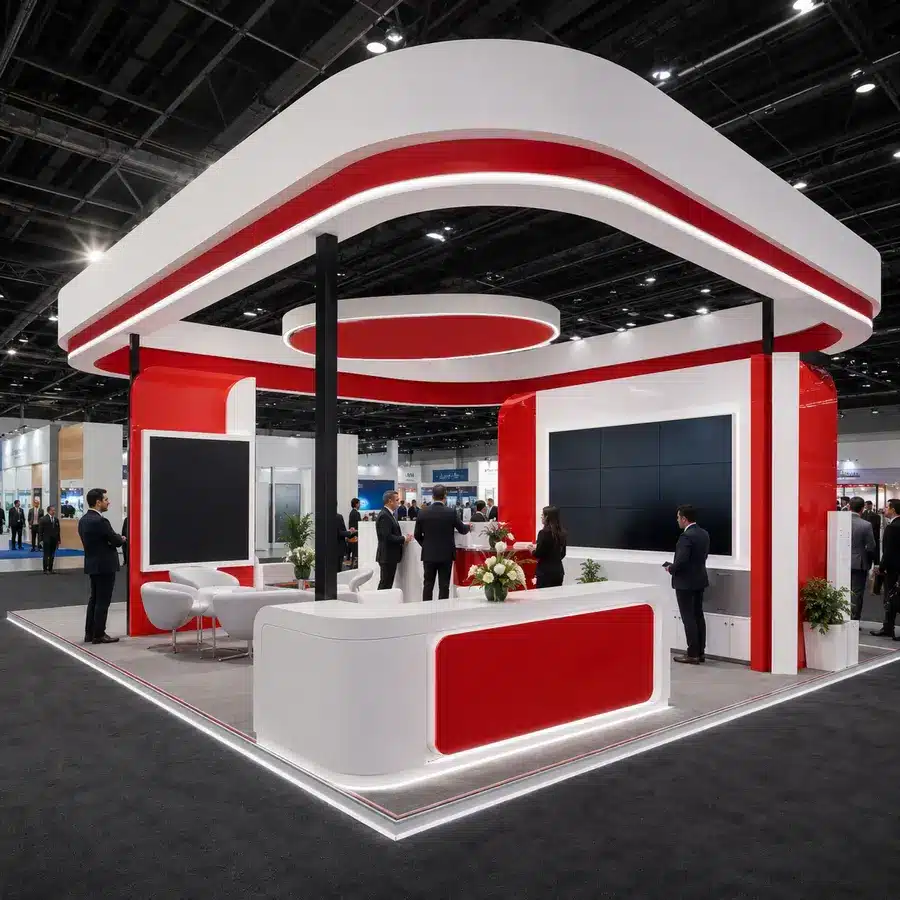
- Display structures
- Product packaging
- Digital screens
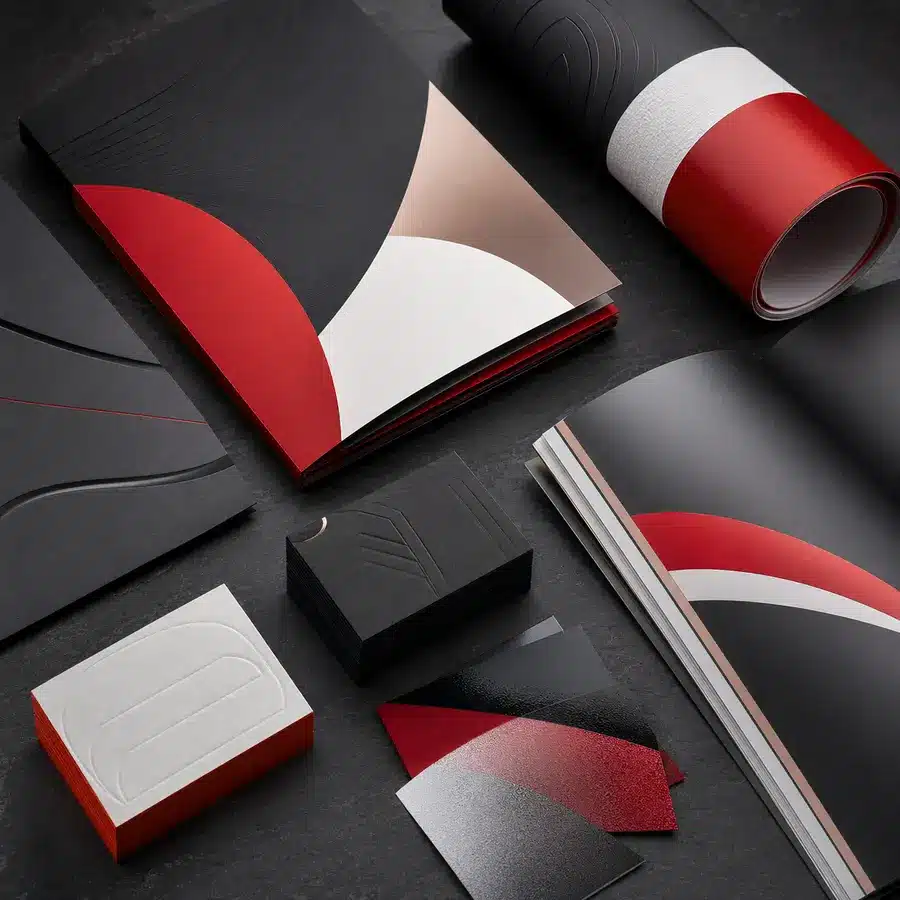
- Printed materials
- Event signage
Avoid filling every available surface with the company logo.
A refined visual identity can be more effective than excessive branding.
Create One Clear Message
Your campaign should have a central message that visitors can remember.
For example:
Discover a smarter way to manage your business.
This is easier to remember than a wall containing several paragraphs about company history, services, awards, and features.
Use brand messaging that explains the value of the experience in simple language.
Use Digital Tools to Extend the Experience
A physical activation does not need to end when the visitor leaves.
Digital elements can help continue the relationship.
Connect Physical Interaction With Digital Channels
You can use:
- QR codes
- Digital registration
- Online competitions
- Mobile forms
- Product pages
- Social media campaigns
- Digital coupons
- Appointment booking
- Feedback forms
For example, someone who tests a product could scan a code to receive detailed specifications or book a consultation.
Encourage User Generated Content
Visitors may share their experience when the campaign gives them something visually interesting or personally relevant.
You can encourage this through:
- Branded photo areas
- Personalized content
- Social challenges
- Event hashtags
- Digital effects
- Interactive displays
Do not make sharing feel compulsory.
The experience itself should be worth talking about.
Plan Staff, Logistics, and Operations
Creative ideas can fail when operational details receive too little attention.
Train Your Campaign Team
Staff members represent the brand throughout the activation.
They should understand:
- Campaign objectives
- Product information
- Participation rules
- Customer questions
- Registration procedures
- Lead qualification
- Privacy requirements
- Escalation procedures
Staff should be friendly and approachable without putting unnecessary pressure on visitors.
Prepare for Different Visitor Situations
Create simple responses for common situations.
| Situation | Recommended Response |
|---|---|
| Visitor is curious | Explain the experience briefly |
| Visitor wants product details | Provide concise information |
| Visitor is not interested | Thank them politely |
| Visitor has a complaint | Listen and escalate appropriately |
| Visitor wants to purchase | Direct them to the correct sales channel |
| Visitor wants more information | Offer a relevant follow up option |
Manage Practical Requirements
Depending on the activation, you may need to plan for:
- Venue approval
- Equipment
- Electricity
- Internet access
- Staffing
- Product inventory
- Transportation
- Storage
- Safety
- Cleaning
- Waste management
- Setup and removal
Dubai venues can have specific operational requirements, so confirm these before finalizing production.
Create a Budget That Matches the Objective
An activation budget should cover the complete campaign rather than only the visible setup.
Main Cost Areas
| Cost Area | Examples |
|---|---|
| Venue | Space rental and related charges |
| Production | Structures and displays |
| Staffing | Hosts and specialists |
| Technology | Screens and interactive equipment |
| Merchandise | Gifts and samples |
| Transport | Delivery and movement |
| Promotion | Digital and physical promotion |
| Photography | Event content |
| Permits | Required approvals |
| Contingency | Unexpected expenses |
A common mistake is spending heavily on the physical environment while leaving too little for staff, promotion, or follow up.
Prioritize Spending
Ask which elements directly contribute to your objective.
If your main goal is product trial, allocate more resources to product availability and demonstration quality.
If your objective is lead generation, invest in staff training and a reliable contact collection system.
Promote the Activation Before It Starts
A strong campaign should create anticipation before the first visitor arrives.
Use a Pre Campaign Strategy
You can promote the experience through:
- Social media
- Influencer partnerships
- Business networks
- Paid advertising
- Existing customer databases
- Partner channels
- Website announcements
The message should explain why people should attend or participate.
Create a Clear Invitation
Instead of simply announcing:
Our activation is coming soon.
Give people a reason to care.
For example:
Visit us this weekend to test our latest product and receive a personalized recommendation.
This communicates both the activity and the benefit.
Measure Campaign Performance
Measurement allows you to understand whether the activation produced meaningful business results.
Track Relevant Metrics
| Metric | What It Measures |
|---|---|
| Total participants | Overall engagement |
| Product trials | Direct interaction |
| Qualified contacts | Potential business value |
| Appointments | Stronger customer interest |
| Purchases | Direct commercial outcome |
| Content shares | Online response |
| Website visits | Digital interest |
| Cost per contact | Campaign efficiency |
| Conversion rate | Business performance |
Do not measure everything simply because it is available.
Focus on numbers connected to your original objective.
Calculate Useful Results
For example:
Cost per qualified contact = Total campaign cost ÷ Qualified contacts
If the campaign costs AED 50,000 and generates 500 qualified contacts, the cost is AED 100 per qualified contact.
This figure becomes more meaningful when compared with the value of customers generated later.
Follow Up Quickly
The campaign does not end when the physical activity finishes.
Organize contacts according to their level of interest.
For example:
| Contact Type | Follow Up |
|---|---|
| Ready to buy | Sales contact |
| Interested | Product information |
| Needs more education | Helpful content |
| Existing customer | Relationship communication |
| General participant | Brand communication |
Fast and relevant follow up can determine how much commercial value the activation creates.
Learn From Common Brand Activation Mistakes
Several problems can reduce campaign performance.
Focusing Only on Appearance
An attractive setup can bring attention, but appearance alone does not create business results.
The activity needs a clear purpose.
Making Participation Too Complicated
Long forms, complicated rules, or unclear instructions can discourage people.
Keep the process straightforward.
Ignoring the Audience
A concept may look impressive but still fail if it does not appeal to the people you want to reach.
Research your audience before approving the idea.
Using Untrained Staff
Staff who cannot explain the product or campaign may lose valuable opportunities.
Provide proper preparation before launch.
Offering an Unrelated Prize
An expensive prize can attract people who have no interest in your business.
A relevant reward often produces more useful engagement.
Forgetting Follow Up
Collecting hundreds of contacts means little if nobody contacts them afterward.
Assign responsibility for follow up before the campaign begins.
Expert Tips for a Successful Dubai Brand Activation
Experienced campaign planning benefits from a few additional considerations.
Keep the Customer at the Centre
Ask what the visitor gains from the interaction.
If the answer is unclear, reconsider the experience.
Create Different Engagement Levels
Not everyone wants the same amount of interaction.
Provide options such as:
- Quick product discovery
- Short demonstration
- Detailed consultation
- Full experience
This allows visitors to choose their preferred level of involvement.
Prepare a Backup Plan
Technology can fail. Staff can become unavailable. Equipment can arrive late.
Prepare alternatives for important campaign components.
Document the Experience
Professional photographs and videos can extend the value of the campaign after the event.
Create content that can later be used on:
- Social media
- Website pages
- Advertisements
- Sales presentations
- Case studies
- Internal reports
Review Results With the Whole Team
After the campaign, ask:
- What attracted the most attention?
- Which activity created the best conversations?
- Where did visitors lose interest?
- Which products generated questions?
- Which contacts became sales opportunities?
- What should change next time?
This creates practical knowledge for future brand activation in Dubai.
Conclusion
A successful brand activation campaign in Dubai needs more than creativity.
It requires a clear commercial objective, detailed audience research, an engaging concept, suitable location selection, effective communication, trained staff, careful logistics, controlled spending, and reliable measurement.
The strongest campaigns give people a meaningful reason to interact with the brand. They make participation simple, connect the activity with the company’s identity, and continue the relationship through relevant follow up.
Before launching your next campaign, define exactly what success means. Then build the experience around that goal.
When creativity and business strategy work together, brand activation marketing can turn a short physical interaction into stronger recognition, valuable customer relationships, and measurable commercial results.
FAQs
What is a brand activation campaign?
A brand activation campaign is a marketing activity designed to encourage direct interaction between people and a brand. It can include events, product demonstrations, sampling, competitions, retail experiences, consultations, and interactive activities.
How can I make a brand activation successful in Dubai?
Start by identifying your audience and business objective. Select a suitable location, create a relevant experience, train your team, promote the campaign before launch, and measure results after completion.
What are some effective brand activation ideas for Dubai?
Product demonstrations, tasting experiences, personalized consultations, interactive technology, competitions, educational sessions, pop up experiences, and exclusive product previews can all work when they match the target audience.
How much does a brand activation campaign cost in Dubai?
There is no fixed price. Costs depend on the venue, campaign duration, production requirements, staffing, technology, promotional activity, merchandise, transportation, and required approvals.
How do you measure the success of a brand activation?
Measure results according to the original objective. Useful indicators can include participation, product trials, qualified contacts, appointments, purchases, online activity, cost per contact, and conversion rates.

Rosalina D. Willaim
Blogger/Photographerhe whimsically named Egg Canvas is the design director and photographer in New York. Why the nam


August 31, 2026
How to Create a Successful Brand Activation Campaign in Dubai

August 31, 2026