

Employee engagement is influenced by many things, from leadership and workplace culture to communication, recognition, and the physical office environment. One often-overlooked factor is the way employees interact with their workspace every day.
Branded office accessories can play a useful role here. Items such as notebooks, pens, desk organizers, water bottles, laptop accessories, planners, folders, and other customized office essentials can make employees feel more connected to the company they work for.
For businesses in Dubai, where companies compete heavily for skilled professionals and strong employer identities, thoughtful workplace branding can support a positive employee experience. However, branded merchandise works best when it is useful, well-designed, and connected to a genuine company culture.
This guide explains how companies can use corporate office accessories, employee merchandise, and customized workplace products to encourage engagement without making employees feel like they are simply receiving advertising materials.
What Are Branded Office Accessories?
Branded office accessories are everyday workplace products customized with a company’s logo, colors, slogan, employee name, or other brand elements.
Common examples include:
- Branded notebooks
- Pens and writing sets
- Desk organizers
- Laptop sleeves
- Mouse pads
- Coffee mugs
- Water bottles
- Desk calendars
- Planners
- Document folders
- Phone stands
- USB accessories
- Wireless charging accessories
- Name plates
- Tote bags
- Employee welcome kits
The main difference between ordinary office supplies and branded accessories is the connection to the company’s identity.
A well-designed accessory can become part of an employee’s daily routine. This gives the brand repeated visibility while also creating a sense of belonging.
Why Does This Matter for Employee Engagement?
Employee engagement is not simply about whether employees enjoy their jobs. It also involves how connected they feel to their workplace, colleagues, goals, and organization.
A practical branded item can reinforce that connection when it is introduced as part of a wider employee experience strategy.
For example, giving a new employee a useful desk kit on their first day can create a stronger welcome than handing them a basic collection of unorganized office supplies.
How Branded Accessories Can Create a Sense of Belonging
Employees are more likely to feel connected to an organization when they believe they are part of something meaningful.
Branded workplace items can support this feeling by creating shared visual elements across teams.
A notebook with the company’s identity, a personalized desk accessory, or a coordinated employee kit can subtly communicate:
You are part of this team.
The item itself is not what creates engagement. The meaning behind it matters more.
Shared Brand Identity
When employees use similar accessories, teams can develop a stronger sense of shared identity.
This can be particularly useful in:
- Growing companies
- Large corporate offices
- Hybrid workplaces
- New departments
- Employee onboarding programs
- Corporate events
- Training programs
Personalization Makes a Difference
Generic merchandise may feel impersonal. Personalization can make it more meaningful.
For example, a welcome package containing a notebook with the employee’s name can feel more thoughtful than a box containing identical products with no personal touch.
| Approach | Likely Employee Reaction |
|---|---|
| Generic office supplies | Functional but ordinary |
| Company-branded supplies | Creates brand awareness |
| Branded and useful accessories | Adds practical value |
| Personalized branded accessories | Creates a stronger sense of recognition |
| Personalized items linked to milestones | Can create emotional value |
Useful Accessories Can Improve the Everyday Work Experience
Employee engagement is influenced by small workplace experiences. If employees regularly use a product that makes their work easier, the accessory can contribute to a more comfortable environment.
This is why companies should prioritize usefulness over simply putting a logo on everything.
Choose Accessories Employees Actually Need
Consider products that employees can naturally use during their working day.
Examples include:
- Quality notebooks for meetings
- Desk organizers for stationery
- Laptop stands for better desk setup
- Reusable bottles for hydration
- Phone stands for convenient device access
- Planners for task organization
- Laptop sleeves for employees who travel
- Cable organizers for cleaner workstations
The more useful an item is, the more likely employees are to keep using it.
Avoid Decorative Items With Little Purpose
A company may have a beautiful promotional product, but that does not automatically make it valuable to employees.
Before selecting an item, ask:
- Will employees use it regularly?
- Does it solve a workplace problem?
- Is it comfortable and durable?
- Does it suit the company’s working environment?
- Can employees personalize it?
- Does it reflect the organization’s standards?
A useful accessory can become part of an employee’s routine rather than ending up in a drawer.
Branded Accessories and Employee Recognition
Recognition is an important part of a healthy workplace culture. Companies do not always need expensive rewards to show appreciation.
A thoughtfully selected branded item can support recognition when it is presented with a clear message.
Recognize Important Milestones
Companies can use customized office accessories for occasions such as:
- Joining anniversaries
- Promotions
- Successful project completion
- Employee awards
- Team achievements
- Training completion
- Leadership milestones
- New employee onboarding
- Work anniversaries
For example, a company could give an employee a personalized planner after completing an important internal training program.
The value comes from the recognition attached to the item.
Combine the Item With a Personal Message
A branded product becomes more meaningful when management explains why the employee is receiving it.
Instead of silently handing over a gift, a manager could mention the specific achievement.
This creates a stronger connection between the accessory and the employee’s contribution.
The Role of Branded Office Accessories in Dubai Workplaces
Dubai has a diverse business environment containing multinational organizations, local companies, startups, professional service firms, retailers, technology businesses, and many other industries.
This diversity means companies should think carefully about how workplace branding fits their employees.
Consider a Multicultural Workforce
Dubai workplaces often include employees from different cultural and professional backgrounds.
A good employee gifting strategy should therefore focus on universal usefulness rather than overly specific designs that may not appeal to everyone.
Practical products such as notebooks, organizers, bottles, technology accessories, and work bags can work across many employee groups.
Match the Corporate Environment
A financial company may prefer a sophisticated and minimal design.
A creative agency may choose colorful and modern accessories.
A technology company could focus on useful digital accessories.
A hospitality business may select products that reflect its service culture.
The accessory should feel natural within the company’s identity.
Branded Accessories Can Strengthen Internal Culture
Employee engagement is closely connected with company culture. Accessories can reinforce cultural values when the branding has a purpose.
For example, a company focused on sustainability could use reusable workplace products and communicate its environmental goals through its employee merchandise program.
A company focused on innovation could select modern desk technology and accessories.
Connect Merchandise With Company Values
| Company Value | Suitable Accessory Direction |
|---|---|
| Sustainability | Reusable workplace products |
| Organization | Planners and desk organizers |
| Creativity | Custom notebooks and creative stationery |
| Innovation | Modern technology accessories |
| Teamwork | Coordinated team merchandise |
| Professionalism | Premium office essentials |
| Employee wellbeing | Practical comfort-focused accessories |
The important point is consistency.
If a company claims to value sustainability but distributes unnecessary disposable merchandise, employees may notice the contradiction.
Use Branding as a Conversation Starter
An unusual or thoughtful accessory can encourage employees to discuss company values.
For example, a sustainability-focused notebook made from responsible materials can give employees an opportunity to learn about the company’s environmental initiatives.
This turns merchandise into part of internal communication.
How to Build an Effective Branded Office Accessory Program
Companies should not randomly order products and expect engagement to increase. A structured approach produces better results.
Step 1: Understand Employee Needs
Ask employees what workplace products they actually use.
You can use:
- Internal surveys
- Team discussions
- Employee feedback forms
- HR observations
- Department-level suggestions
Different departments may have different needs.
Step 2: Divide Employees Into Relevant Groups
Consider creating accessory collections for:
- New employees
- Managers
- Sales teams
- Remote employees
- Office-based teams
- Event teams
- Long-service employees
- High-performing employees
This allows companies to make merchandise more relevant.
Step 3: Select Quality Products
Poor-quality merchandise can have the opposite effect.
A pen that stops working quickly or a notebook with weak binding can make the company appear careless.
Quality does not always mean expensive. It means selecting products that perform their intended function reliably.
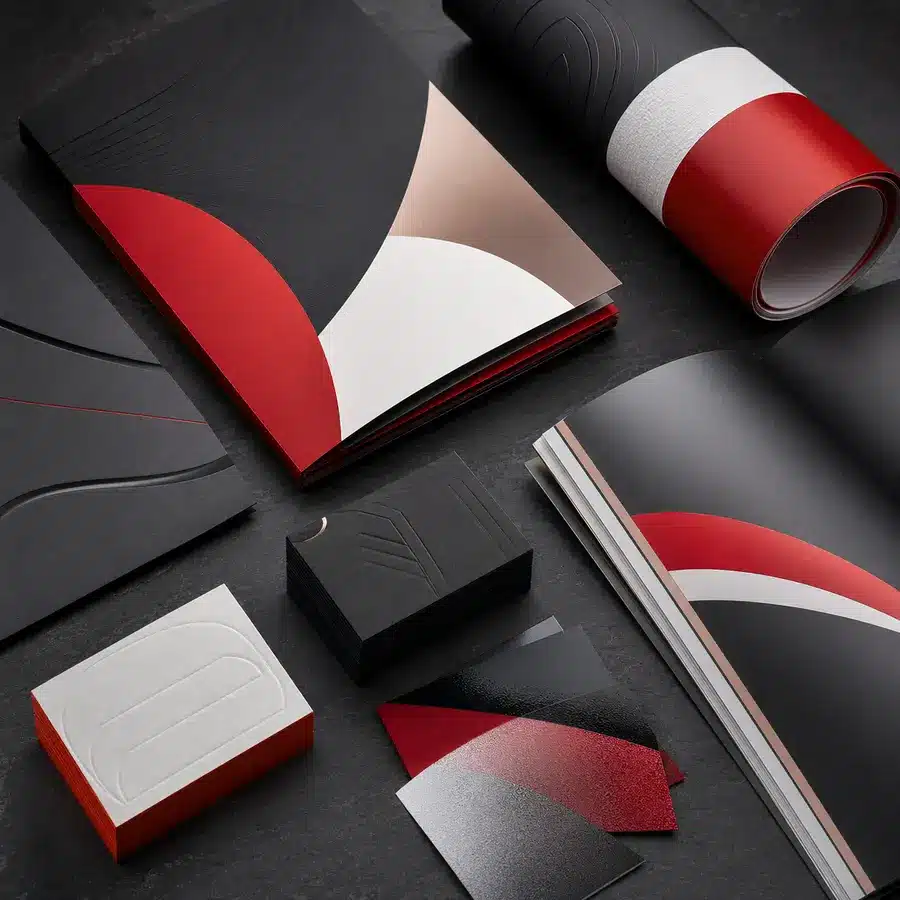
Step 4: Keep Branding Professional
Avoid placing oversized logos on every product.
Subtle branding can often look more professional.
Consider:
- Small logo placement
- Consistent brand colors
- Simple typography
- Employee names where appropriate
- Clean packaging
- Minimal slogans
Step 5: Measure Employee Response
Companies can evaluate the program through:
- Employee surveys
- Product usage feedback
- Participation rates
- Recognition-program engagement
- Employee retention discussions
- Onboarding feedback
The objective is not to prove that a notebook directly caused higher engagement. Instead, look at whether the overall employee experience improves.
Branded Office Accessories vs Traditional Employee Gifts
Companies have many ways to recognize employees. Branded office accessories are particularly useful when the goal is to combine recognition with everyday functionality.
| Factor | Branded Office Accessories | Traditional Gifts | Cash-Based Rewards |
|---|---|---|---|
| Workplace usefulness | High for suitable products | Depends on gift | Low |
| Brand connection | Strong | Moderate | Limited |
| Personalization | Easy | Usually possible | Limited |
| Daily visibility | High | Variable | Very low |
| Recognition value | Moderate to high | Moderate to high | High |
| Cultural flexibility | Generally good | Depends on item | High |
| Team identity | Strong | Moderate | Low |
This does not mean branded accessories should replace all other rewards.
The best approach is usually a combination of meaningful recognition, professional development, workplace support, and appropriate employee gifts.
Common Mistakes Companies Should Avoid
Even a well-intentioned merchandise program can fail if companies focus more on branding than employee needs.
Giving Employees Too Much Merchandise
A large collection of unnecessary products can feel wasteful.
Choose fewer products with greater practical value.
Using Low-Quality Products
Cheap-looking accessories can damage the perceived quality of the employer brand.
Employees interact with these items regularly, so durability matters.
Treating Everyone the Same
A sales representative who travels frequently may need different accessories from an employee who works at a fixed desk.
Consider job requirements when appropriate.
Overbranding Every Product
Employees may be less interested in products that look like advertisements.
Keep branding tasteful.
Ignoring Employee Preferences
Management may love an item that employees rarely use.
Ask for feedback before making large-scale decisions.
Using Merchandise Instead of Real Recognition
A branded notebook cannot compensate for poor management, excessive workloads, limited career growth, or weak communication.
Employee merchandise should support a healthy workplace culture rather than attempt to replace it.
Expert Tips for Better Employee Engagement Through Branded Accessories
A few strategic improvements can make an office accessory program more effective.
Create Different Kits for Different Moments
Instead of giving the same package throughout the year, create purpose-based kits.
Examples:
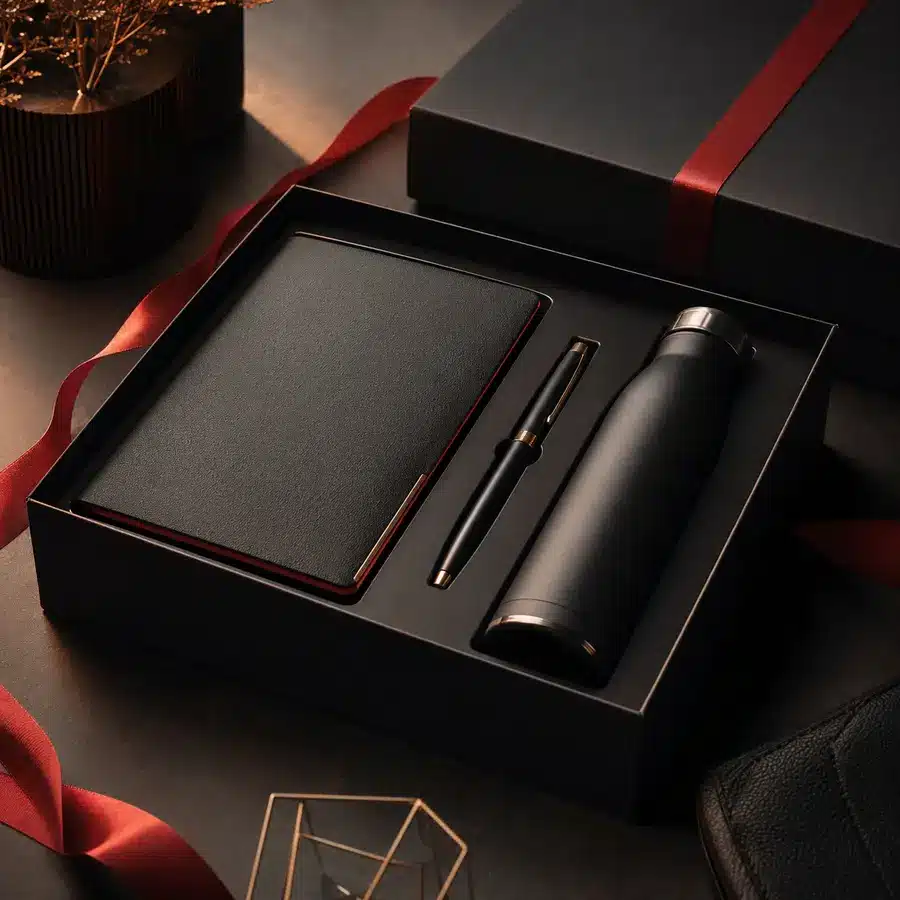
New Employee Kit
- Notebook
- Pen
- Bottle
- Laptop accessory
- Welcome card
- Desk organizer
Achievement Kit
- Personalized notebook
- Recognition card
- Desk accessory
- Team appreciation item
Hybrid Work Kit
- Laptop sleeve
- Cable organizer
- Phone stand
- Notebook
- Reusable bottle
Use Limited-Edition Designs
Special designs can make milestone merchandise feel more memorable.
For example, a company could create a special accessory for its fifth anniversary or a major business achievement.
Let Employees Choose Some Items
Choice can increase perceived value.
A company could allow employees to select between several practical accessories instead of giving everyone the exact same product.
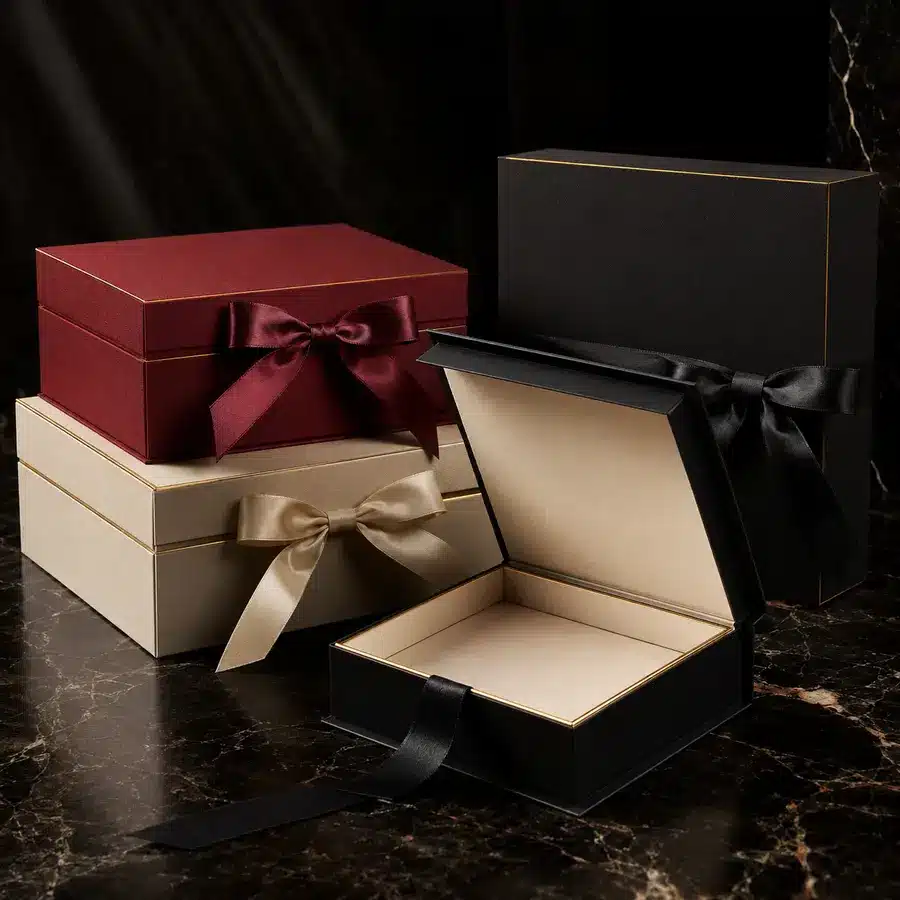
Make the Packaging Part of the Experience
Packaging should feel organized and intentional.
A clean presentation can make ordinary office products feel more special without requiring unnecessary decoration.
A Practical Example for a Dubai Company
Imagine a Dubai-based technology company with 80 employees.
The company notices that new employees often receive basic supplies but have little structured introduction to the company’s culture.
Instead of simply distributing stationery, HR develops a branded workplace kit.
The kit includes:
- A professional notebook
- A reusable bottle
- A desk organizer
- A laptop sleeve
- A personalized welcome card
- A small company culture guide
During onboarding, the manager explains the company’s values and why each item was selected.
After three months, HR asks employees about the usefulness of the kit.
The company discovers that employees particularly appreciate the laptop sleeve and notebook, while one item receives little use.
For the next onboarding cycle, the company removes the less useful product and replaces it with an accessory employees requested.
This creates a continuous improvement process rather than a one-time promotional campaign.
Best Practices for Long-Term Success
A successful corporate merchandise strategy should evolve with the workplace.
Use these practices as a simple checklist:
| Best Practice | Why It Matters |
|---|---|
| Ask employees for feedback | Improves relevance |
| Choose practical products | Encourages regular use |
| Maintain quality standards | Protects employer reputation |
| Personalize where appropriate | Improves emotional value |
| Keep branding subtle | Makes products more attractive |
| Connect gifts with milestones | Strengthens recognition |
| Consider different employee roles | Improves usefulness |
| Review product performance | Reduces waste |
| Align products with company values | Reinforces culture |
| Combine merchandise with real recognition | Creates stronger engagement |
The strongest programs treat branded accessories as part of the employee experience rather than as simple promotional merchandise.
Conclusion
Branded office accessories can contribute to employee engagement when companies use them thoughtfully. Their greatest value comes from combining practicality, recognition, personalization, and company identity.
For Dubai businesses, a well-planned corporate gifting strategy can support onboarding, employee recognition, workplace culture, and team identity. However, the products should always serve a genuine employee need.
A useful notebook, personalized desk item, quality bottle, or practical technology accessory can become part of an employee’s daily routine. When it carries a thoughtful message from the employer, that everyday interaction can reinforce a feeling of belonging.
The key is simple: give employees something useful, make it meaningful, and connect it to a workplace culture they can genuinely value.
FAQs
How can branded office accessories improve employee engagement?
They can strengthen workplace identity, support employee recognition, improve the everyday work experience, and create a stronger sense of belonging when the products are useful and thoughtfully selected.
What are the best branded office accessories for employees?
Popular choices include notebooks, planners, desk organizers, bottles, laptop sleeves, phone stands, reusable workplace items, and other practical accessories employees can use regularly.
Should branded office accessories be personalized?
Personalization can increase emotional value. Adding an employee’s name or connecting an item to a specific achievement can make the accessory feel more like recognition than ordinary company merchandise.
Are branded accessories suitable for multicultural workplaces in Dubai?
Yes. Companies should focus on practical, professional products that are broadly useful and avoid designs that may unintentionally exclude employees from different cultural backgrounds.
Can branded office accessories replace employee rewards?
No. They should complement genuine recognition, fair management, career development, good communication, and a positive workplace culture. Merchandise works best as one element of a broader employee engagement strategy.

Rosalina D. Willaim
Blogger/Photographerhe whimsically named Egg Canvas is the design director and photographer in New York. Why the nam

September 19, 2026

September 19, 2026
Choosing the Right Corporate Gift for Different Business Relationships

September 19, 2026