

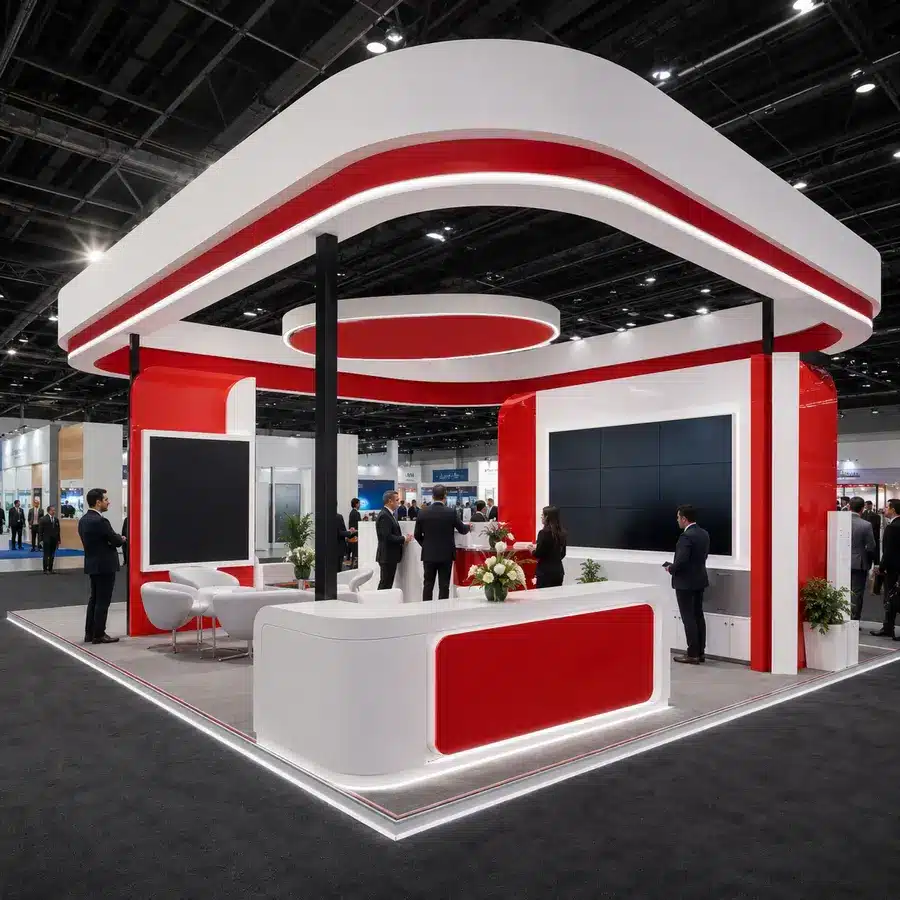
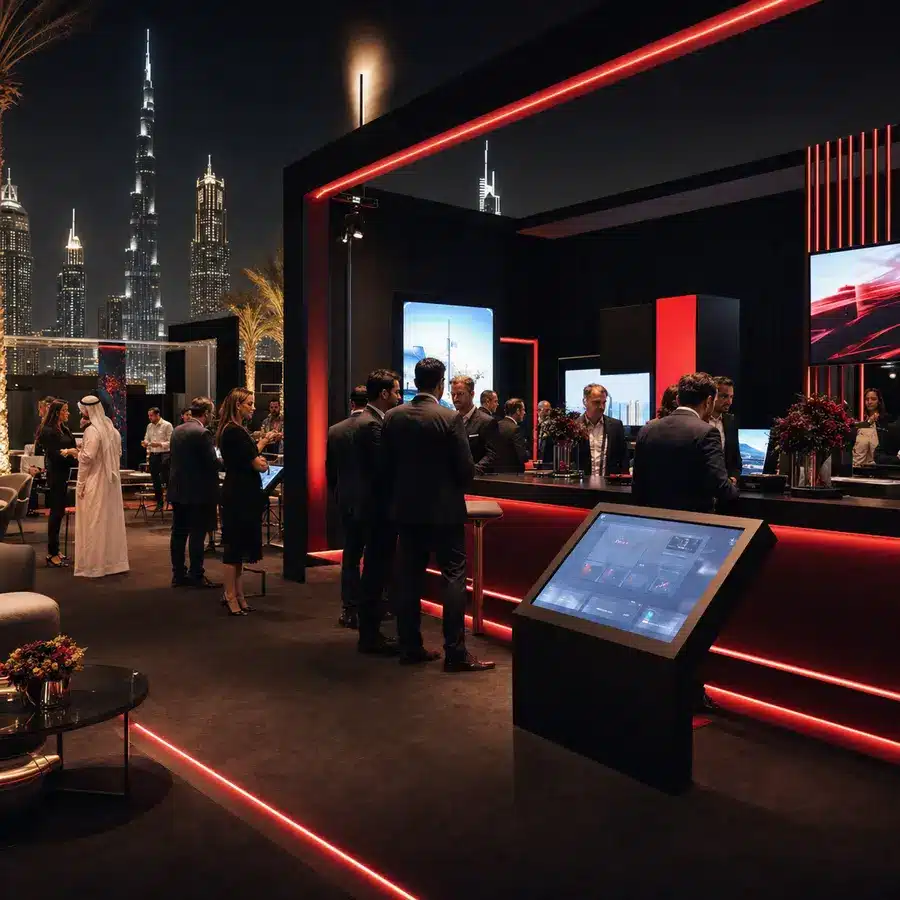

Dubai hosts exhibitions, trade shows, conferences, and business events throughout the year. For companies participating in these events, an exhibition stand is more than a physical space. It is a direct opportunity to introduce a brand, meet potential customers, demonstrate products, and create valuable business connections.
However, attracting visitors can be difficult when dozens or even hundreds of exhibitors compete for attention in the same venue.
A well planned exhibition stand design can help your business stand out before visitors even reach your space. The right combination of layout, branding, lighting, graphics, technology, and visitor interaction can turn foot traffic into meaningful conversations.
Whether you are preparing for a small industry event or a major exhibition in Dubai, these ideas can help you create a stand that attracts attention and supports your business goals.
Start With a Clear Exhibition Goal
Before thinking about colors, furniture, or graphics, define what you want to achieve.
Your stand should support a specific business objective. Without a clear goal, the design may look attractive but fail to generate useful results.
Common Exhibition Objectives
| Objective | Design Priority |
|---|---|
| Generate leads | Open layout and visible enquiry area |
| Launch a product | Large product display and demonstration zone |
| Build brand awareness | Strong visual identity |
| Meet existing customers | Comfortable discussion area |
| Demonstrate technology | Interactive screens and demonstration stations |
| Promote a service | Simple messaging and consultation space |
| Collect enquiries | Easy access to staff and digital forms |
For example, a technology company launching a new product may need a demonstration focused layout. A service provider may benefit more from private discussion areas and clearly displayed service information.
Your trade show marketing strategy should influence every major design decision.
Create a Stand That Can Be Seen From a Distance
Visitors often make quick decisions while walking through an exhibition hall. Your stand needs to communicate its identity and purpose before someone reaches it.
Use Strong Visual Hierarchy
Place the most important information where people can see it easily.
Your company name or logo should be visible from different angles. A short headline can explain what you offer without requiring visitors to stop and read a large amount of text.
For example:
Smart Solar Solutions for Commercial Buildings
This is more effective than a vague headline such as:
Welcome to Our Booth
The first statement tells visitors exactly what the company does.
Make Your Main Message Easy to Understand
A good exhibition booth display should answer three questions quickly:
- Who are you?
- What do you offer?
- Why should visitors care?
If visitors cannot understand your offering within a few seconds, they may continue walking.
Use an Open and Visitor Friendly Layout
A beautiful stand can still perform poorly if visitors feel uncomfortable entering it.
Avoid creating unnecessary physical barriers between the aisle and your team.
Open Layout vs Closed Layout
| Feature | Open Layout | Closed Layout |
|---|---|---|
| Visitor access | Easy | More controlled |
| Visibility | High | Moderate |
| Casual enquiries | More likely | Less likely |
| Private meetings | Limited | Better |
| Product exposure | Strong | Can be restricted |
| Best for | Lead generation | Confidential discussions |
An open design is often useful when your main goal is attracting new visitors.
If your business requires private meetings, consider combining an open reception area with a partially enclosed meeting section.
Create Natural Visitor Movement
Think about how someone will move through the stand.
A simple layout could include:
Entrance → Main display → Product demonstration → Conversation area → Lead collection
This creates a natural path without forcing visitors through complicated sections.
Make Your Branding Impossible to Miss
Your stand should look like an extension of your company rather than a collection of unrelated design elements.
Use Consistent Brand Elements
Apply your existing brand identity to:
- Signage
- Wall graphics
- Counter fronts
- Screens
- Staff clothing
- Product displays
- Brochures
- Promotional materials
Strong brand visibility helps visitors recognize your company quickly.
However, avoid covering every surface with logos. Repetition can reduce visual impact.
Keep the Message Focused
A common mistake is trying to display every service, product, achievement, and company statement.
Instead, identify the most important message for the event.
For example, if an industrial company is exhibiting to attract distributors, its stand could focus on:
- Product range
- Distribution opportunities
- Product benefits
- Technical support
- Contact information
This is more effective than filling the walls with paragraphs of company history.
Use Lighting to Create Visual Impact
Lighting can dramatically change how an exhibition stand looks.
It can highlight products, improve brand visibility, guide visitors, and create a more professional atmosphere.
Layer Different Lighting Types
Consider using several lighting approaches.
| Lighting Type | Purpose |
|---|---|
| General lighting | Illuminates the entire stand |
| Accent lighting | Highlights important products |
| Backlighting | Makes graphics more noticeable |
| Display lighting | Draws attention to individual items |
| Decorative lighting | Supports the overall atmosphere |
Good exhibition stand lighting should support the design rather than become a distraction.
Avoid excessive brightness, uncomfortable glare, or poorly positioned lights that make screens difficult to view.
Highlight Your Most Important Areas
If you have a new product, demonstration area, or important visual message, use lighting to direct attention toward it.
Think of lighting as part of your visitor guidance system.
Add Interactive Technology
Technology can make a stand more engaging when it serves a clear purpose.
Large screens, touch displays, digital presentations, product demonstrations, and interactive experiences can encourage people to stop.
Useful Technology Ideas
- Touchscreen product catalogues
- Digital presentations
- Product configuration tools
- Interactive demonstrations
- QR based information
- Digital lead forms
- Augmented reality experiences
- Live product demonstrations
The technology should make the visitor experience easier or more interesting.
A screen showing a long company presentation may not attract much attention. An interactive product selector can give visitors a reason to participate.
Do Not Depend Entirely on Technology
Technology can fail.
Always have a backup method for explaining your product or service.
Your team should be able to continue conversations if a screen stops working or an internet connection becomes unreliable.
Design Product Displays That Encourage Interaction
If you sell physical products, the way you display them can determine whether visitors notice them.
Instead of placing every product on a crowded shelf, select the items that deserve the most attention.
Use Demonstration Areas
A demonstration can communicate benefits faster than a long explanation.
For example, a manufacturer could show:
- How a machine operates
- How a product is installed
- How a component performs
- How a software system works
- How two products compare
Live demonstrations can also give your sales team a natural reason to start a conversation.
Give Visitors Something to Experience
Where appropriate, allow visitors to touch, test, compare, or operate the product.
This creates a more memorable interactive exhibition experience than passive viewing.
Design Comfortable Spaces for Conversations
Attracting visitors is only the first step.
Your stand should also help your team convert attention into useful business conversations.
Create Different Conversation Zones
You may need:
- Quick enquiry points
- Open discussion areas
- Product consultation spaces
- Private meeting rooms
- Seating for longer conversations
Not every visitor needs the same level of privacy.
A potential customer asking a simple question can speak with a representative near the display. A serious business prospect may need a quieter meeting area.
Choose Furniture Carefully
Furniture should support movement rather than block it.
| Furniture | Best Use |
|---|---|
| Reception counter | Welcoming visitors |
| Bar table | Short discussions |
| Lounge seating | Casual conversations |
| Meeting table | Business discussions |
| High stools | Quick interaction |
| Storage cabinet | Keeping the stand organized |
Avoid filling the space with furniture simply because there is room.
More open floor space can make a small stand feel larger.
Use Creative Ideas That Give Visitors a Reason to Stop
A strong stand should offer something beyond a company logo and brochure.
Think about what would make someone walking past pause for a moment.
Run a Live Demonstration
Live demonstrations can attract people naturally, especially when the product has a visual or practical element.
Schedule demonstrations throughout the day so visitors have multiple opportunities to see them.
Offer a Useful Activity
Depending on your industry, consider:
- Product testing
- Quick consultations
- Interactive games
- Design challenges
- Mini workshops
- Industry assessments
- Product comparisons
The activity should still connect with your brand.
A random attraction may increase foot traffic but produce little business value.
Use a Memorable Feature
A distinctive architectural element, creative display, unusual product arrangement, or striking overhead feature can make your stand easier to recognize.
This can be especially useful in large Dubai exhibition halls where visitors see many similar setups.
Optimize Your Stand for Dubai Exhibitions
Dubai’s exhibition environment includes local businesses, international companies, distributors, investors, and industry professionals.
Your design should work for a diverse audience.
Consider Multilingual Communication
English is widely used in Dubai’s business environment, but depending on your audience, Arabic communication may also be valuable.
Use clear language and avoid complicated technical wording unless your visitors are specialists.
Consider the Venue and Event
The stand design should reflect the exhibition.
A technology event may support a modern interactive concept. A luxury industry event may require refined materials and sophisticated presentation. An industrial event may need stronger product demonstration areas.
Research the event audience before finalizing the design.
Check Venue Requirements Early
Before production, confirm:
- Stand dimensions
- Maximum height
- Electrical requirements
- Hanging restrictions
- Lighting rules
- Screen requirements
- Branding regulations
- Setup and dismantling schedules
- Safety requirements
A design that looks excellent on paper may need modification if it does not meet venue regulations.
Avoid Common Exhibition Stand Design Mistakes
Even experienced exhibitors can make design decisions that reduce visitor engagement.
Too Much Text
Visitors rarely stop to read large blocks of information.
Use short headlines, supporting points, visuals, and clear calls to action.
Weak Signage
If your company name is difficult to see from the aisle, you are losing valuable exposure.
Place important branding at an appropriate height and position.
Cluttered Displays
Too many products, posters, furniture pieces, and promotional materials can make a stand feel chaotic.
Choose fewer elements and give important products enough space.
Poor Visitor Flow
A confusing entrance or blocked walkway can discourage people from entering.
Walk through the proposed design from a visitor’s perspective before production.
Ignoring Storage
Staff need somewhere to keep bags, packaging, brochures, personal items, and extra supplies.
Hidden storage keeps the visible area professional throughout the event.
Designing Without Staff Input
Your sales team will use the stand every day.
Ask them what they need for demonstrations, meetings, product handling, storage, and lead collection.
Compare Different Exhibition Stand Concepts
The right design depends on your budget, space, audience, and objectives.
| Stand Concept | Strength | Limitation | Best For |
|---|---|---|---|
| Minimalist | Clean and focused | Limited display capacity | Premium brands |
| Product focused | Strong product visibility | Can become crowded | Manufacturers |
| Interactive | High engagement | Requires planning | Technology brands |
| Meeting focused | Supports serious discussions | Less casual traffic | B2B services |
| Open concept | Easy visitor access | Less privacy | Lead generation |
| Experience based | Memorable | Higher complexity | Consumer facing brands |
There is no single best exhibition stand.
The strongest design is the one that supports your specific business objective.
Expert Tips for Improving Visitor Engagement
Small changes can make a significant difference during an exhibition.
Use a Strong Call to Action
Tell visitors what they can do next.
Examples include:
- Book a consultation
- Test the product
- Scan for the catalogue
- Speak with an expert
- Get a free assessment
- Enter the product demonstration
A clear call to action removes uncertainty.
Train Your Exhibition Team
Even the best stand cannot compensate for an unprepared team.
Staff should know:
- The main event objective
- Key product benefits
- Common visitor questions
- How to start conversations
- How to qualify leads
- How to record visitor information
- When to invite visitors for a meeting
Your stand and team should work as one system.
Measure Results
After the event, evaluate performance.
Useful measurements include:
| Metric | What It Shows |
|---|---|
| Total visitors | Overall attraction |
| Qualified leads | Business potential |
| Meetings booked | Sales opportunity |
| Product demonstrations | Engagement |
| Enquiries | Interest level |
| Follow up conversions | Longer term value |
This information can help you improve your next exhibition booth design in Dubai.
Conclusion
A successful exhibition stand does more than look attractive. It needs to catch attention, communicate your value quickly, encourage interaction, support meaningful conversations, and help your team achieve measurable business goals.
Start with a clear objective. Build an open and easy to understand layout. Use strong branding, effective lighting, engaging displays, useful technology, and comfortable conversation areas. Most importantly, design the experience around the visitor rather than simply decorating the available space.
For businesses exhibiting in Dubai, understanding the audience, venue, event format, and local business environment can make the difference between a stand that people walk past and one that becomes a genuine business attraction.
FAQs
What makes a good exhibition stand design in Dubai?
A good design combines strong visibility, clear messaging, easy visitor access, attractive presentation, useful displays, suitable lighting, and comfortable areas for business conversations. It should also comply with the exhibition venue’s requirements.
How can I attract more visitors to my exhibition stand?
Use a clear message, strong signage, engaging product demonstrations, interactive technology, attractive lighting, and a simple call to action. Well trained staff also play an important role in attracting and engaging visitors.
What should an exhibition stand include?
An exhibition stand may include branding, product displays, reception space, seating, storage, lighting, screens, demonstration areas, brochures, QR codes, and lead collection facilities. The exact combination should depend on your event objectives.
Is an open exhibition stand better than a closed stand?
An open stand generally makes it easier for visitors to approach your team and can support higher foot traffic. A closed design can provide more privacy for meetings. Many businesses combine both approaches.
How much does an exhibition stand design cost in Dubai?
The cost varies according to stand size, materials, construction complexity, graphics, lighting, furniture, technology, customization, installation, and event requirements. A clear brief and budget can help a stand builder recommend an appropriate solution.

Rosalina D. Willaim
Blogger/Photographerhe whimsically named Egg Canvas is the design director and photographer in New York. Why the nam


August 31, 2026
How to Create a Successful Brand Activation Campaign in Dubai

August 31, 2026